Gaming's Environmental Pressures
Gaming combines manufactured hardware, digital services, global distribution and long periods of use. Its environmental pressures therefore sit in several places at once: materials and factories, electricity during play, network and cloud infrastructure, physical venues, packaging and end-of-life equipment. A narrow focus on power at the player’s wall can miss manufacturing; a company-wide carbon target can miss local water stress or discarded hardware.
A player can measure and reduce idle electricity; a studio can set a workstation replacement rule; a platform can change default power modes; a venue can meter its cooling plant. These decisions should be judged separately. For example, a studio’s office bill says little about emissions from players overseas, while a venue’s water bill cannot show the resource use of its payment provider.
Growth can cancel efficiency gains
More efficient chips, power scaling and software can lower energy per session, while a larger device fleet, longer play, richer graphics or connected background services raise total demand. Track both energy per unit of service and absolute energy, with the workload or user volume beside each result. A frame-rate cap or efficient server is useful, but the saving may be absorbed by growth.
New Zealand's grid shows why demand remains relevant even with a high annual renewable share: hydro inflows and storage vary, thermal generation may contribute, and peak demand and network limits persist. Imported devices also carry manufacturing impacts outside the local electricity account.
Manufacturing remains a hard-to-see pressure
Semiconductors, displays and batteries depend on complex supplier tiers. Product makers may know their direct suppliers but have limited visibility into mineral extraction, smelting, wafer fabrication and sub-assembly. Supplier averages can fill data gaps; they can also hide differences in electricity source, production method and recycled content. A sustainability claim should distinguish primary data from broad estimates.
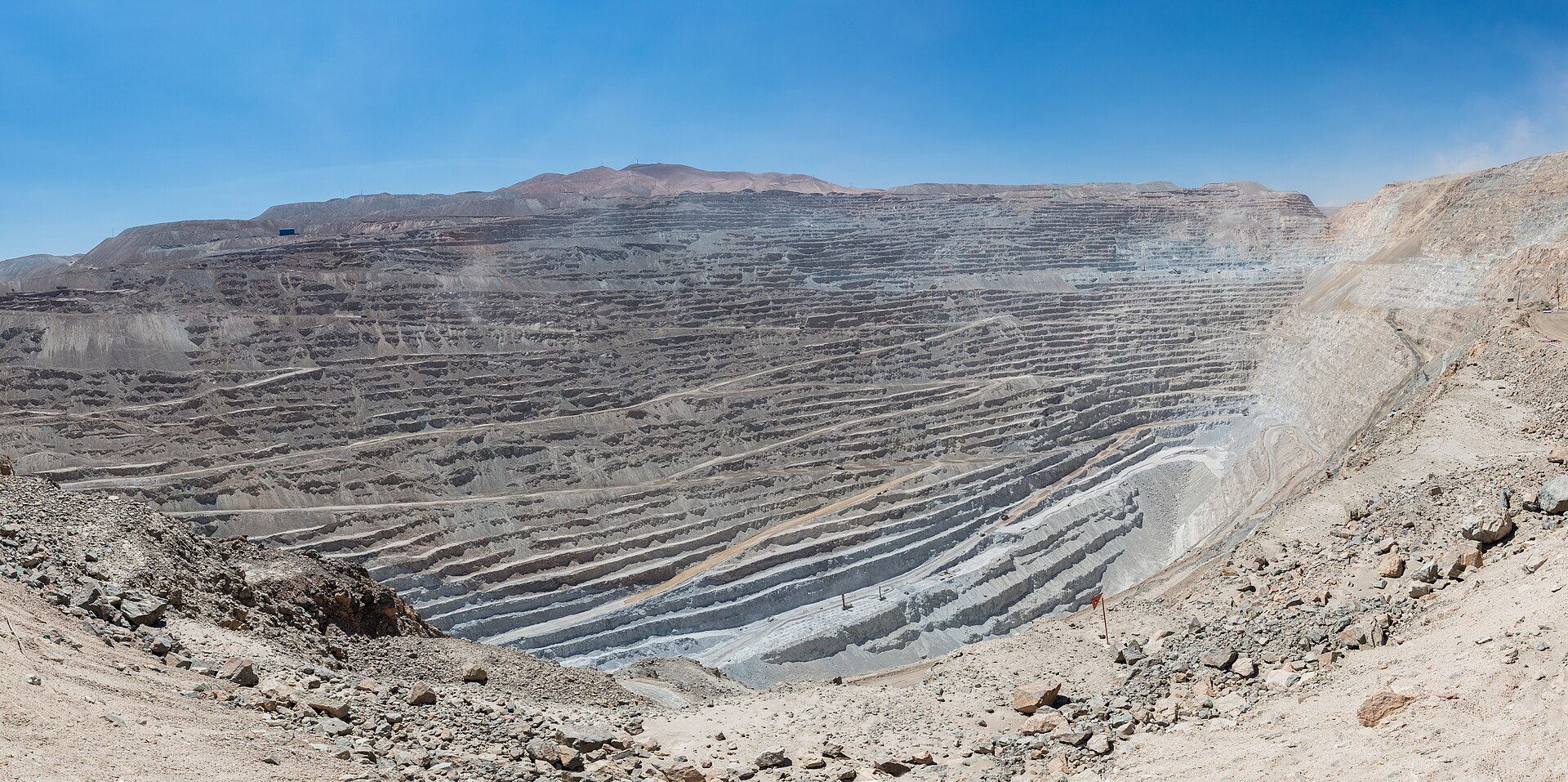
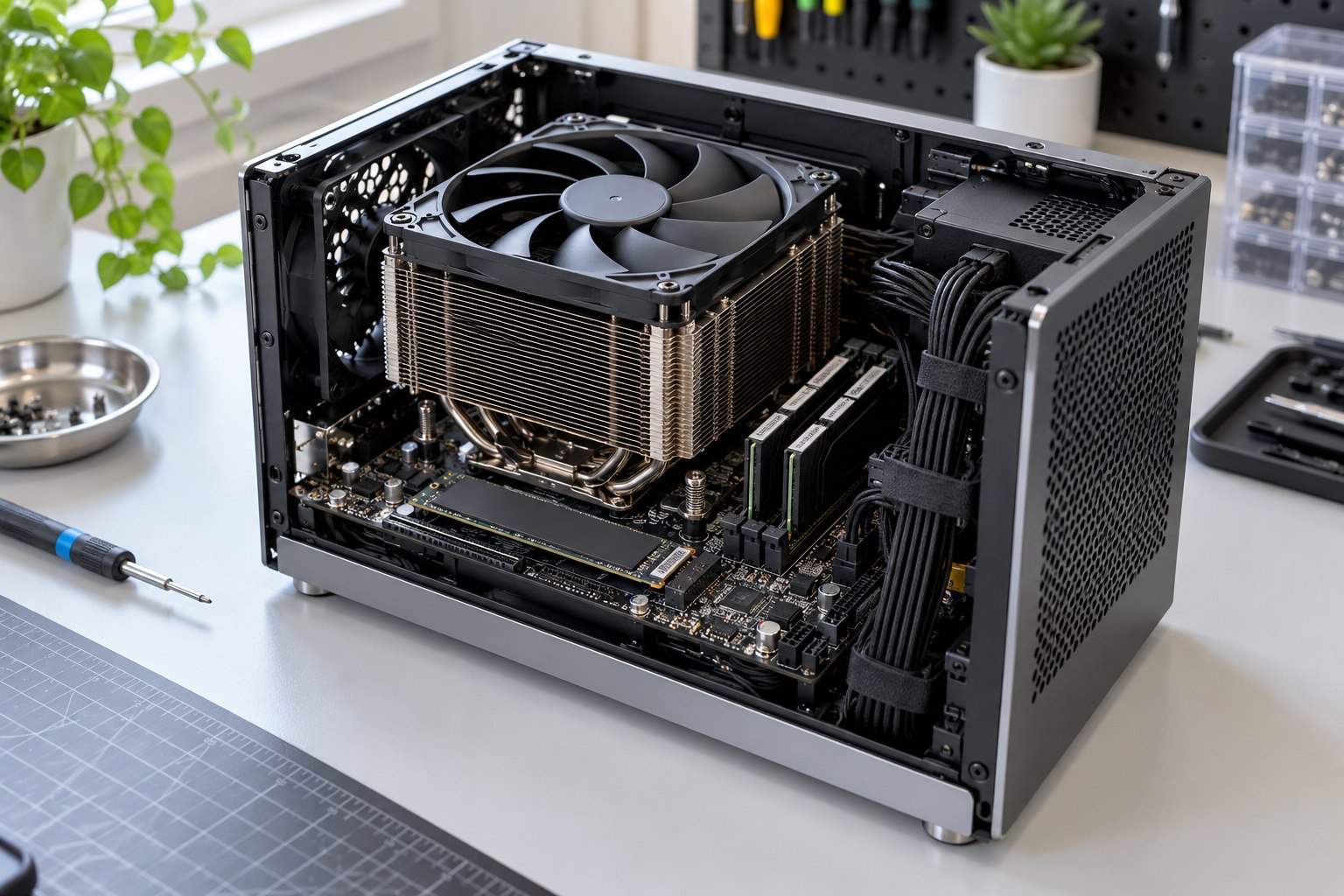
Product cycles create a second challenge. New models promise faster graphics, higher resolution, lighter hardware or better battery life, yet frequent replacement increases material and manufacturing demand. Software support, repair documentation and spare-parts supply affect whether older equipment remains useful. A product’s sales forecast and product-use electricity do not reveal whether owners will repair it or replace it early.
Purchasing systems can reinforce short life when repair costs exceed replacement cost or when warranties and parts policies are unclear. For workplaces and studios, asset-management rules can either prolong service or trigger predictable refreshes. A repair threshold based on safety, performance need, parts availability and support status is more defensible than a fixed replacement age.
Digital infrastructure has local effects
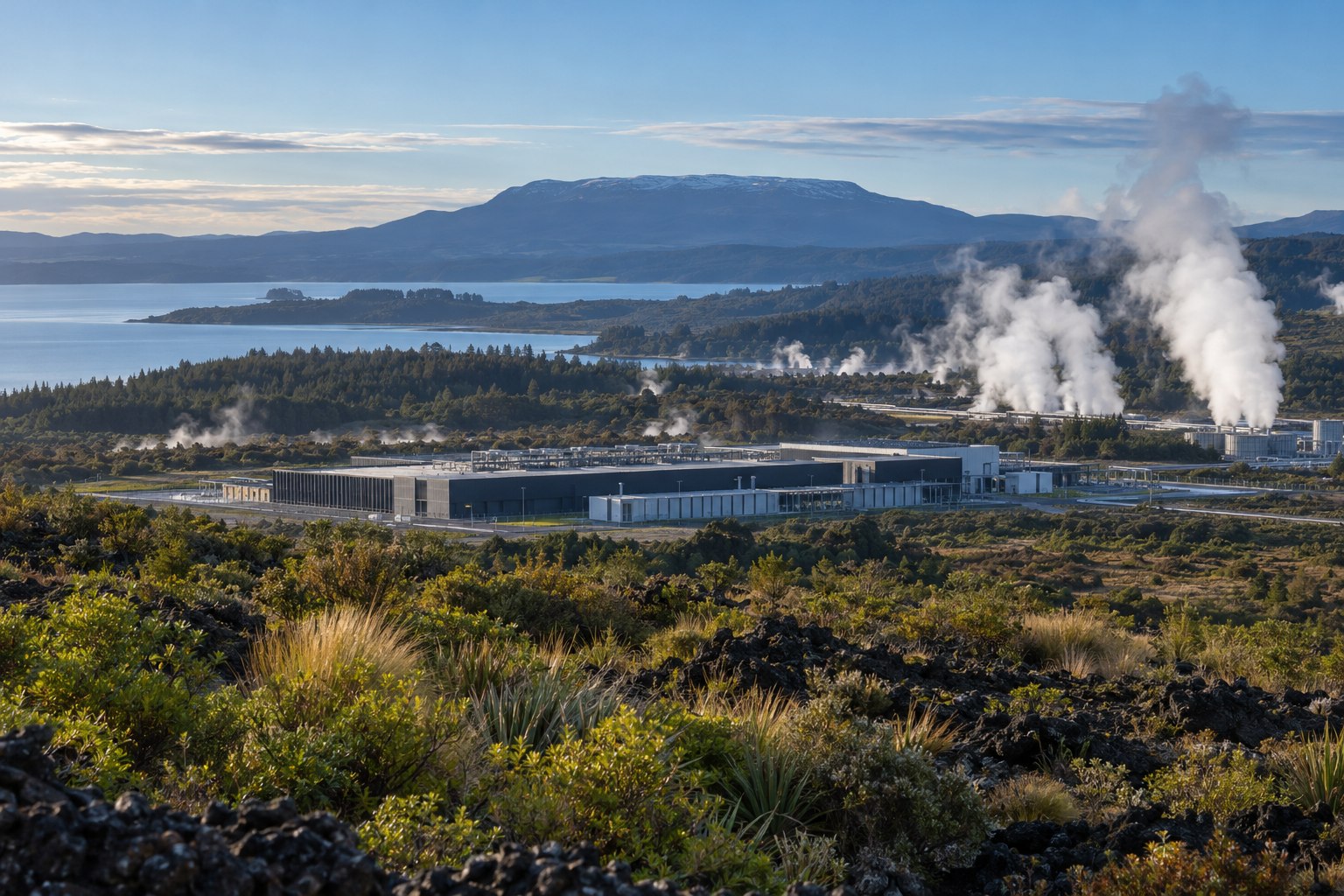
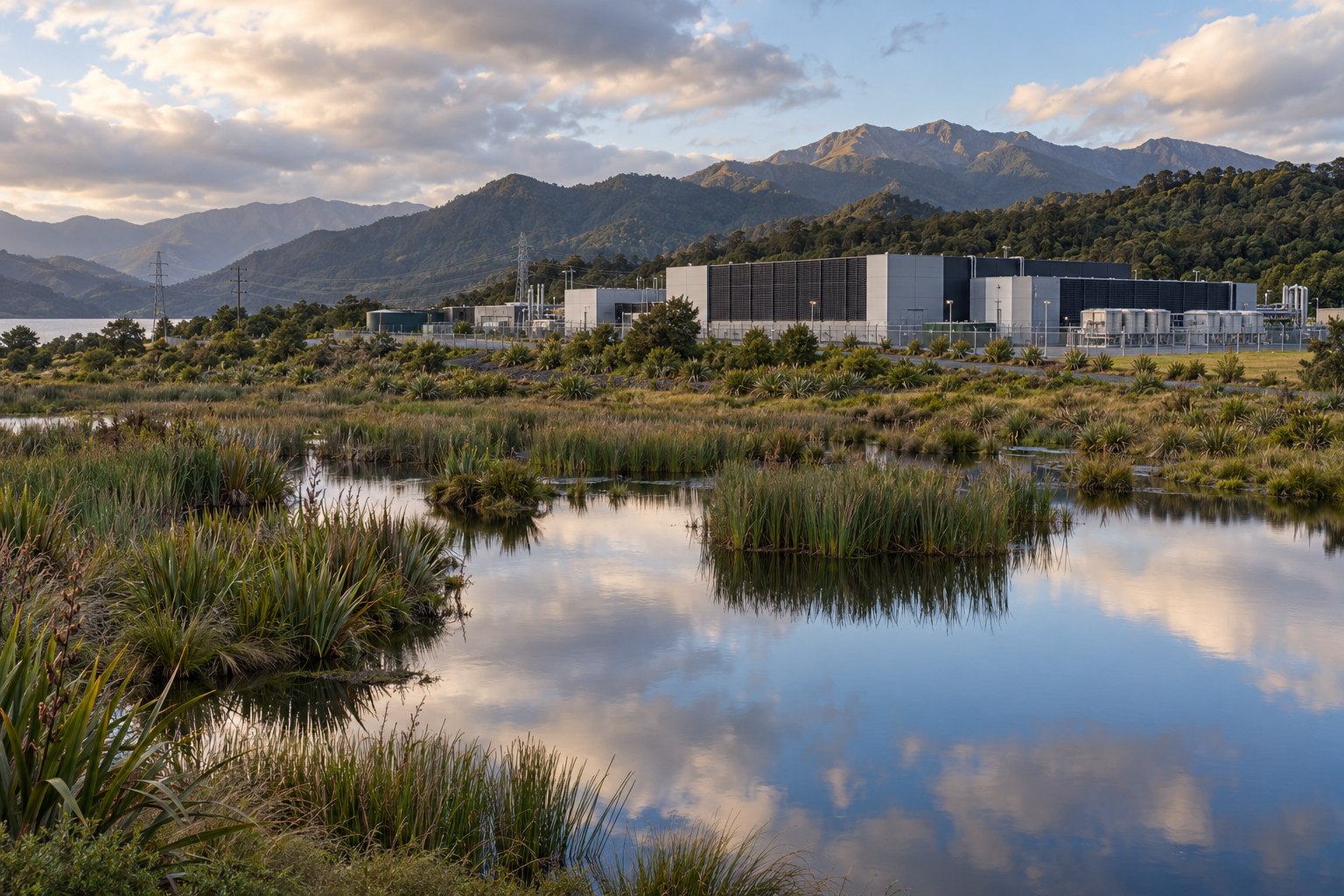
Data centres and network equipment provide storage, matchmaking, downloads, voice services and cloud rendering. Their energy and water needs depend on workload, location, cooling, utilisation and electricity supply. A global average does not show whether a facility draws water from a pressured catchment or connects to a constrained grid. A cloud platform’s climate claim is incomplete when site-level energy and water remain undisclosed.
Cloud gaming changes where computation occurs. It can reduce the need for a powerful local device, while moving graphics processing and video delivery to remote infrastructure. The environmental balance depends on the client, server utilisation, network route, resolution and length of play. The service should be compared with an equivalent local experience, not with an idle screen or an unrelated device.
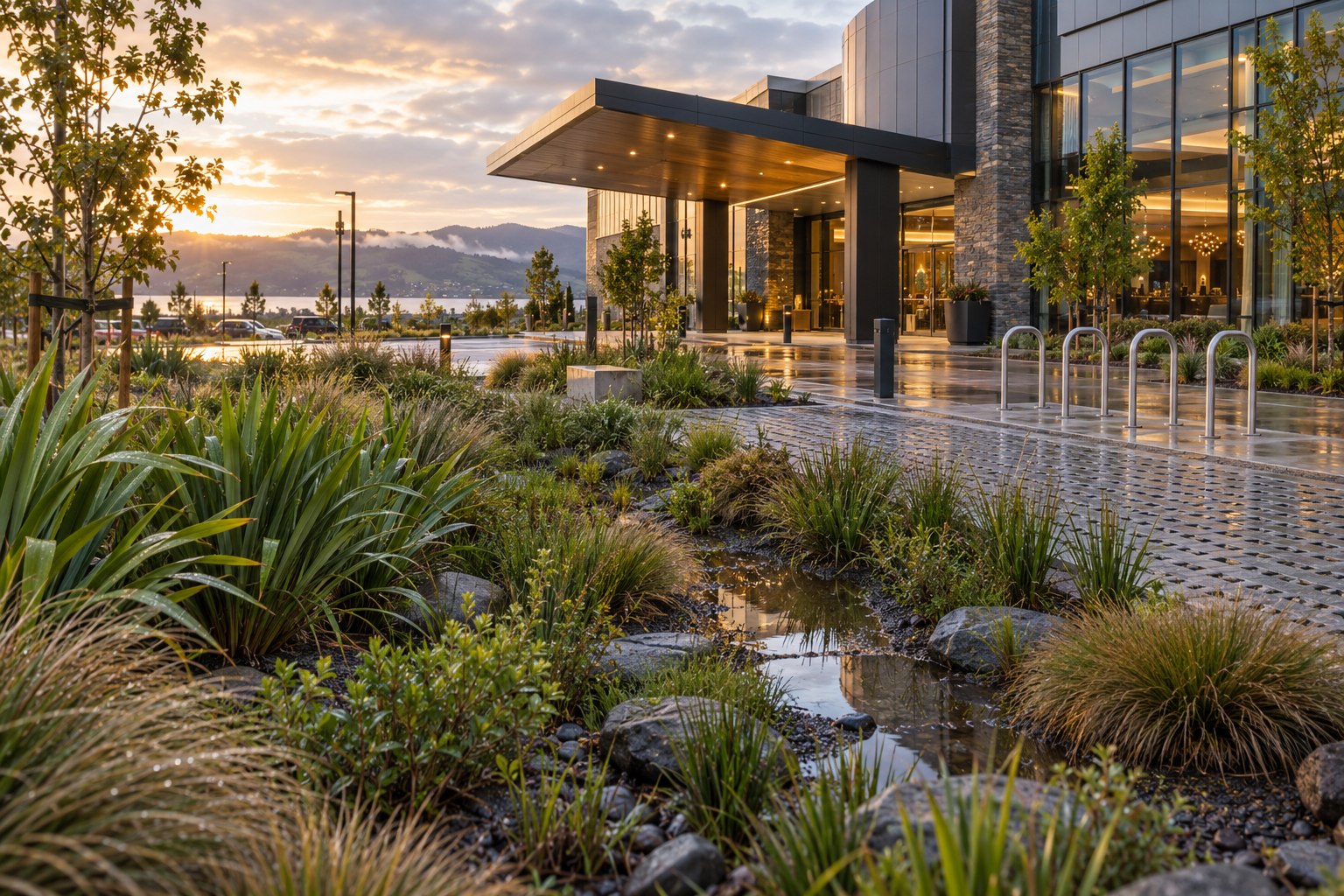
Local infrastructure can bring jobs and digital capacity, yet it also competes for land, water, electricity, skilled labour and grid connections. In New Zealand, freshwater is linked to ecosystems, drinking-water security, cultural values and economic activity; national environmental reporting records pressures that vary among catchments. Facility siting should therefore consider water source, seasonality, cooling method and local grid conditions alongside cost and latency.
Discarded electronics concentrate several environmental risks
Gaming electronics combine valuable metals, engineered plastics, glass, adhesives and small batteries in products designed for performance and compactness. Poor treatment can expose workers and nearby communities to hazardous substances, while loss of copper, aluminium and precious metals creates demand for new extraction. The issue is both a pollution pathway and a loss of material value.
A device’s environmental outcome depends on what happens after it stops being used: repair, resale, component harvesting, controlled material recovery or disposal. These pathways have different effects, and collection alone cannot show which occurred. Product design, repair supply and downstream treatment all influence whether circular use works at scale.
Gaming companies should distinguish products they buy, products they sell and equipment returned by customers. Each group has a different route and degree of control. Procurement teams can require a named processor and treatment record; product teams can keep spare parts available; retailers can make accepted return categories clear before sale.
Environmental claims often cross incompatible boundaries
“Carbon neutral”, “green”, “water positive” and “recyclable” describe different concepts and are often used with different scopes. A company may purchase renewable electricity for offices while excluding factories and player use. A recyclable device may lack a convenient collection service. A carbon-neutral event may use credits while its venue, travel or catering emissions continue unchanged.
Comparison requires a clear object, boundary, period, method and evidence type. Product-level life-cycle emissions differ from annual corporate emissions. Tonnes collected differ from tonnes recovered. Water consumed differs from water withdrawn. Renewable electricity contracts differ from physical generation at every hour. A label that compresses these distinctions can sound precise while leaving the actual performance hard to assess.
Lower-carbon console
- Question that makes it testable
- Against which model, use pattern, grid factor and life-cycle boundary?
Recycled hardware
- Question that makes it testable
- Which materials, what share, and through which verified process?
Water efficient data centre
- Question that makes it testable
- What site, basin, season, water metric and IT workload?
Waste diverted
- Question that makes it testable
- Was equipment reused, refurbished, materially recovered or only collected?
Renewable-powered service
- Question that makes it testable
- Which facilities, electricity instruments, time period and market boundary?
Climate disruption reaches the operating model
Climate risk is not limited to emissions. Flooding, heat, drought, wildfire smoke and storms can affect staff safety, power supply, connectivity, water availability and building operations. A physical venue may face heat stress and higher cooling demand; a data centre may depend on resilient grid connections and a dependable water source. A distributed studio can still rely on a small number of cloud regions or specialist suppliers.
Business continuity plans can map critical game services, power and network dependencies, backup arrangements and supplier concentration. Backup generators protect service continuity but add fuel use, air emissions and maintenance requirements. Cloud redundancy may shift load between regions, which has its own energy and data-location consequences. Resilience planning should record those trade-offs rather than treating backup capacity as impact-free.
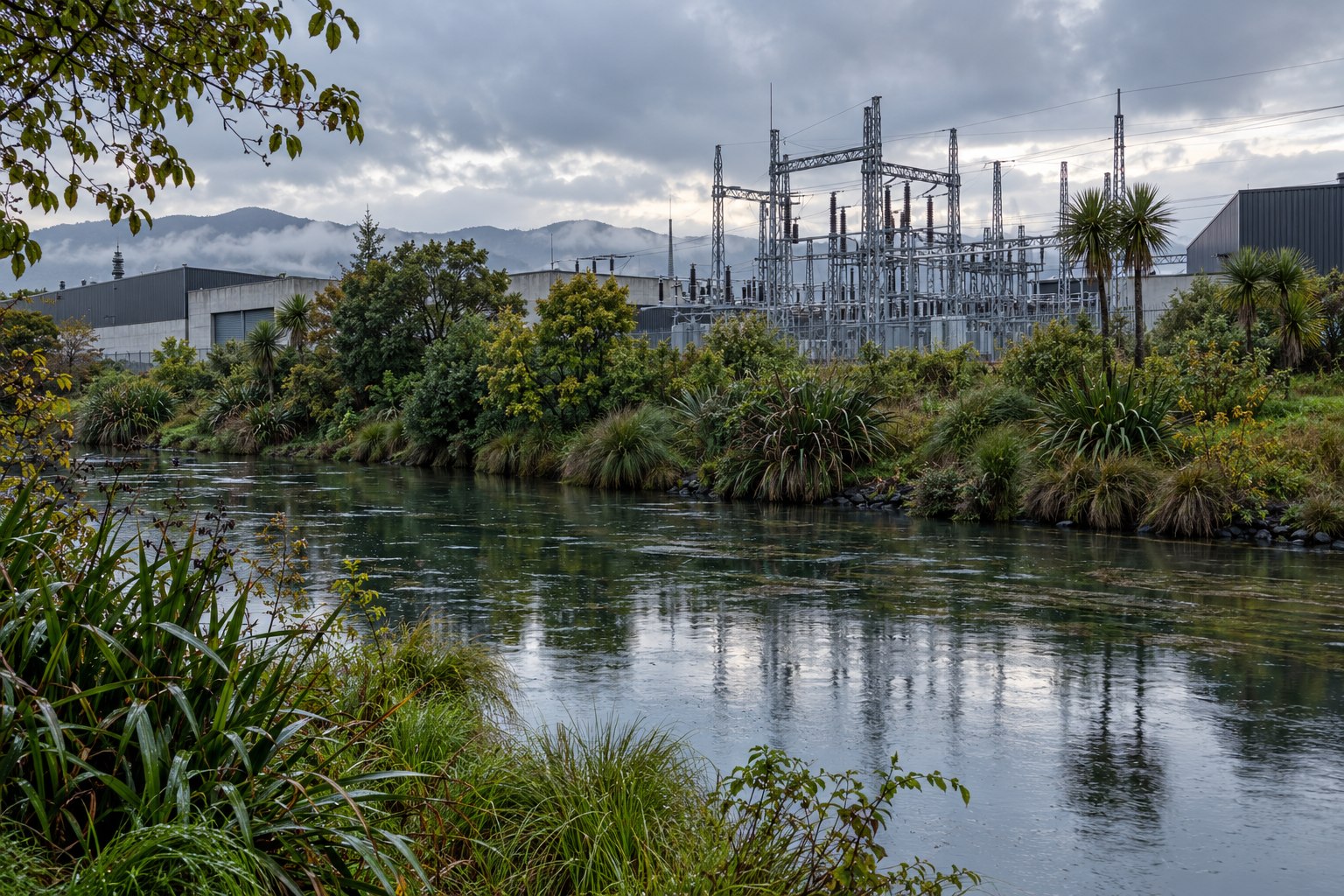
Location, building and provider determine a New Zealand studio’s physical risk. Wellington office staff, an Auckland-hosted service and a remote workforce can face different disruptions; a continuity plan records the exposed asset, acceptable outage and fallback power source separately.
Measurement has operational limits
Office and venue meters can provide direct readings, while employee home work, cloud usage, freight and shared HVAC often need estimates or allocations. Record the source, period and uncertainty for each value. A change in method should be reconciled before a year-on-year difference is called a physical reduction.
- Direct: meter readings and invoices for the facilities being reported.
- Supplier: region- and workload-specific data where a provider can supply it.
- Modelled: assumptions for shared services and missing activity, with one allocation rule maintained across reporting years.
Practical priorities differ by organisation
- Hardware makers: design for energy efficiency, repair, parts access, long software support and material recovery.
- Studios: measure office and development loads, manage render jobs, set equipment-life rules and request supplier data.
- Platforms: expose power settings, improve update scheduling and report infrastructure boundaries.
- Venues: meter major building loads, manage cooling and lighting, reduce food waste and track water by use.
- Players: keep useful devices in service, avoid unnecessary idle operation and route retired electronics through an accepted channel.
Assign each issue to the actor that can change it and choose a checkable result. A studio can track workstation life in years and kWh per repeatable build; a venue can compare monthly cooling kWh with opening hours and weather; a platform can report the share of devices using its low-power default. For impacts outside direct control, record the named supplier and the missing measurement rather than claiming an unmeasured saving.
New Zealand conditions reward local detail
Aotearoa’s high renewable electricity share can make digital services appear comparatively light on carbon during operation. That advantage should not obscure imported hardware, international data-centre activity, local water pressures or equipment sent to landfill. Territorial emissions and consumption-based footprints answer different questions, and a gaming business may need both views when it sells globally from a New Zealand base.
Policy settings also change. New Zealand’s emissions reduction plan covers a defined budget period, waste rules evolve, and environmental reporting adds new information on freshwater and climate risk. Organisations should assign a review date to regulatory facts and supplier claims, especially where marketing copy depends on a scheme’s coverage or a future policy commitment.
Flood access, backup generation and data-centre water stress create different kinds of environmental risk. A studio’s exposure may sit in its office lease, a cloud contract or the ability of staff to work remotely; each location calls for its own continuity record.