
Renewable Energy and Gaming in NZ
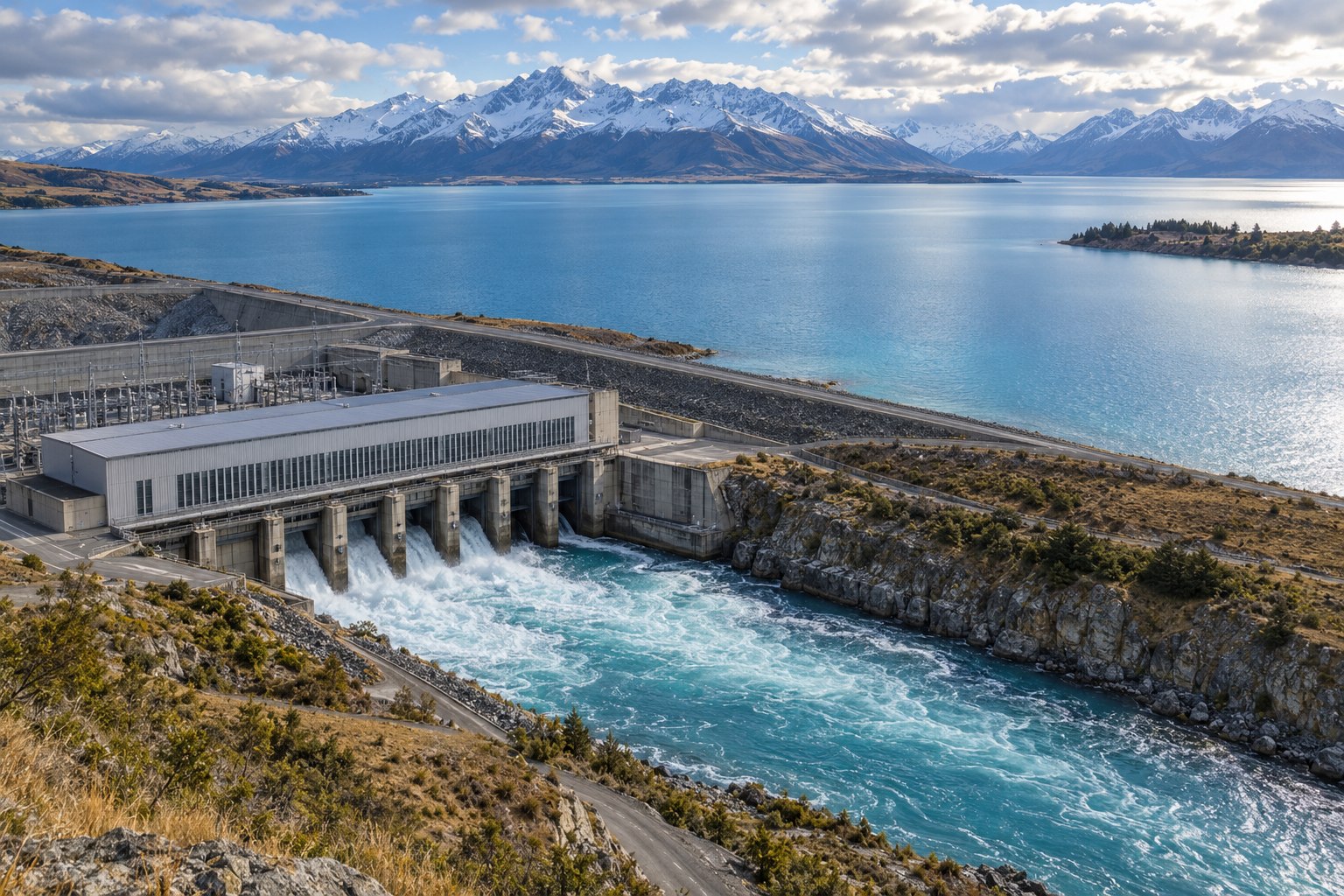
MBIE reports that renewable sources generated 88.5% of New Zealand electricity in 2025. That annual share is useful context for a local gaming workload, but it is not a claim that every session or server used renewable power at every hour. The location, date and electricity-accounting method remain part of the estimate. MBIE 2025 electricity figures.
Gaming businesses can use renewable electricity through the grid, onsite generation, supply contracts or dedicated projects. Each arrangement supports a different claim. Lowering kWh through efficiency reduces demand; purchasing renewable attributes changes an accounting claim; installing solar changes the site’s physical supply profile. Those mechanisms should remain separate in reporting.
Renewable generation changes across the year
Hydro inflows and storage, geothermal output, wind, solar and thermal dispatch change the generation mix across a year. MBIE’s annual figure is therefore a period average. For a scheduling claim, use a time-specific signal from the period when the workload ran and record what work was moved; for an annual inventory, keep an annual factor with its source year.
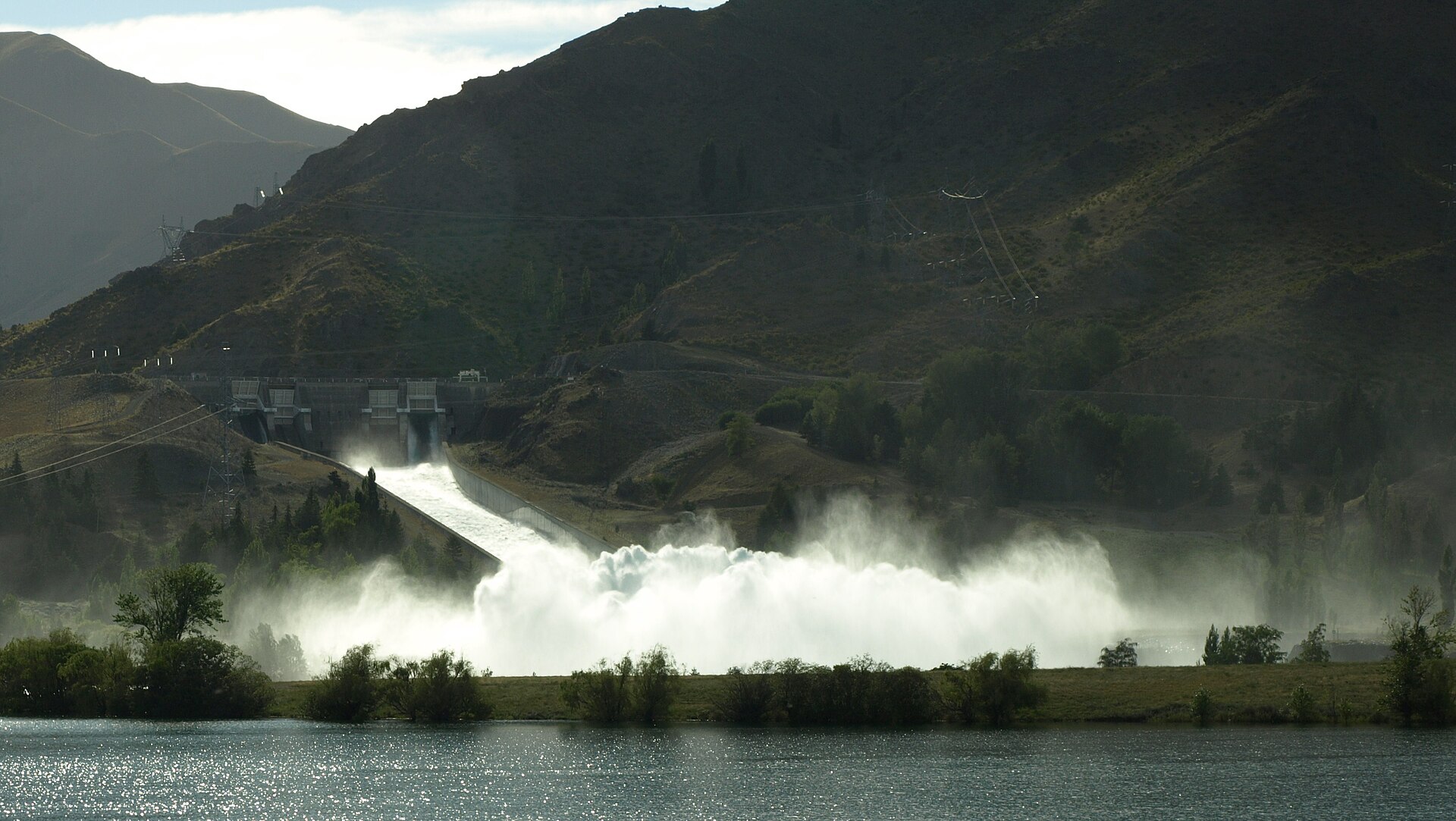
Digital services can be flexible in ways that live services are not. Game builds, backups, non-urgent downloads and some data-processing jobs can run at a time selected by the operator. Multiplayer, live streams, payments and customer security often need immediate availability. A flexible-workload plan should protect user experience and reliability while shifting only the work that can safely wait.
Local operations and exported digital products
A New Zealand studio may power its office locally while players use electricity overseas and devices are manufactured elsewhere. A local renewable claim covers neither those player hours nor imported hardware. Cloud builds and live services need the grid and supply data for their actual server regions.
Supplier contracts can identify where build pipelines, storage, distribution and live operations run and how electricity is accounted for. Keep measured New Zealand office energy distinct from estimated global service impacts, even when the exported product is delivered digitally.
Choose the right renewable electricity evidence
| Mechanism | What it changes | Evidence to retain |
|---|---|---|
| Efficiency improvement | Reduces the electricity needed for a defined workload | Before-and-after meter data and equivalent service conditions |
| Onsite solar | Generates electricity at the site during available daylight | Generation, self-consumption, export and time-series data |
| Renewable supply contract | Links purchased electricity to specified attributes or sources | Contract period, certificate method and market boundary |
| Power purchase agreement | Supports a defined generation project and supply relationship | Project, start date, volume and matching approach |
| Carbon-aware scheduling | Moves flexible consumption to a lower-carbon time | Grid signal, shifted workload and measured kWh |
A renewable certificate or contract can support market-based emissions reporting under the relevant accounting rules, but it does not change the physical grid at every hour. Location-based and market-based emissions should be labelled separately when both are reported. A business should avoid using a procurement instrument to imply that its hardware, water or waste impacts have been resolved.
Onsite solar can suit an office, retail site or venue with suitable roof space and daytime electricity demand. Gaming rooms may use more electricity outside peak solar hours, so batteries, demand shifting or grid imports can shape the share of generation consumed onsite. A system’s annual generation is not the same as the percentage of the venue’s demand met by solar at the time it operates.
Power flexibility has technical limits
Game development workloads can be scheduled around build queues, team deadlines, service releases and international collaboration. A build farm that pauses during a high-carbon period may create longer iteration time or delay a release. A small studio may not have a large enough flexible workload for automation to justify its complexity.
Data-centre load shifting needs capacity in more than one region or the ability to delay a compute task. Moving the workload can increase network transfer, duplicate data or change cooling and water use. A lower-carbon hour at one site may be a higher-water or higher-cost hour at another. The full operating context should guide the scheduling rule.
Player-side devices can sometimes delay game updates or downloads. Carbon-aware scheduling relies on an accurate grid signal and a user’s device being connected and available. It can lower the emissions associated with timing, while the kWh used for the download may remain similar. The feature should state its signal source and the tasks it can defer.
Renewables do not remove grid reliability needs
Gaming venues, studios and data centres rely on stable electricity and communications. Backup systems may use batteries, generators or redundant supply connections. Batteries provide rapid response but require materials and eventual replacement; generators use fuel during tests and outages. Reliability planning should account for the equipment that runs under normal conditions and the environmental costs of fallback operation.
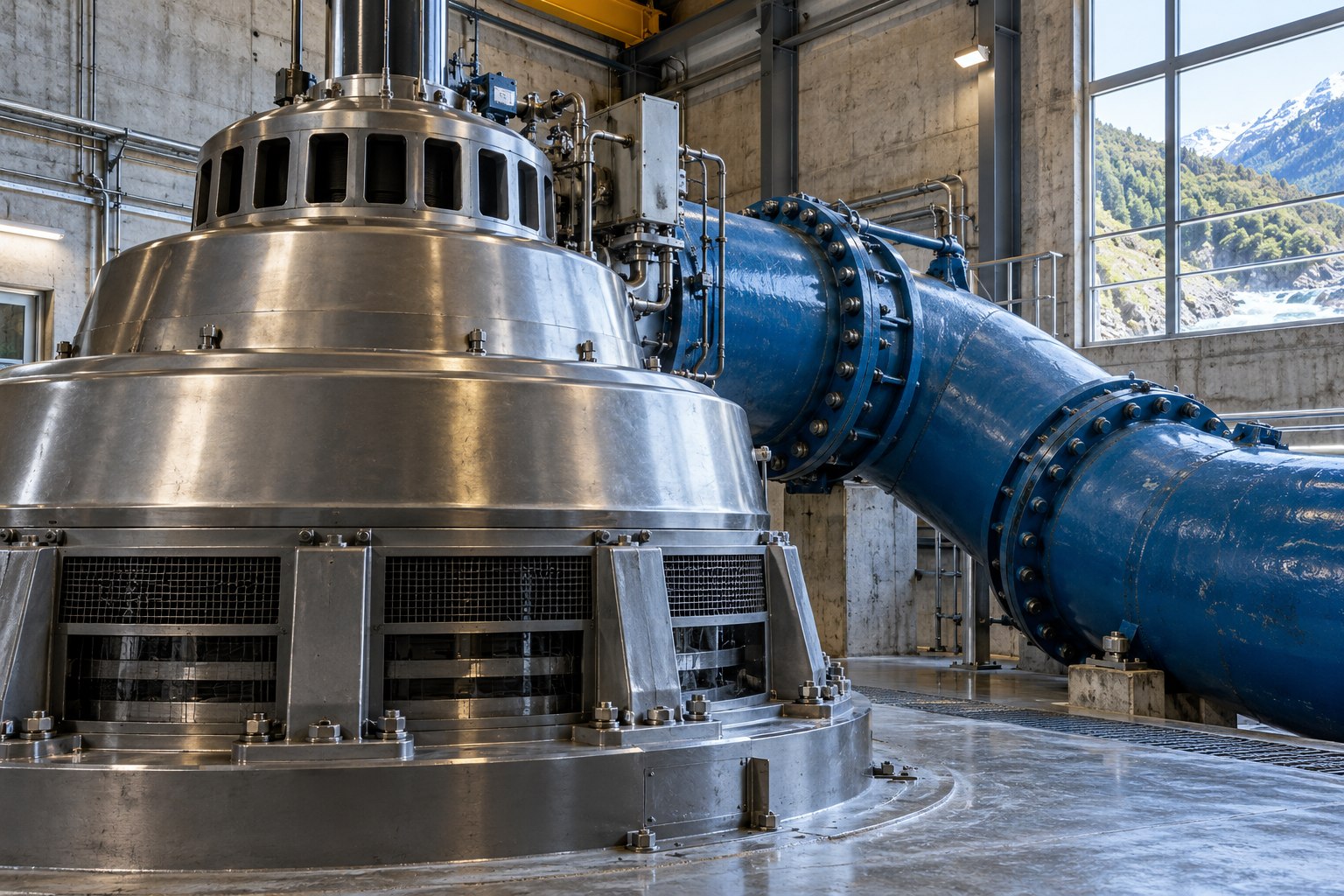
Hydro variability can create seasonal supply pressure. A dry period can increase thermal generation and raise the value of load management. Digital businesses can identify non-critical loads, test safe shutdown procedures and maintain backups for production data. These steps protect operations while reducing unnecessary standby demand.
A venue’s energy plan may combine efficient HVAC, LED lighting, onsite generation, battery storage and a renewable supply contract. The order matters: reducing avoidable demand can lower the size of generation and backup equipment required. The project case should include maintenance, replacement and expected load profile, not only the installed capacity.
Funding and project support for New Zealand businesses
EECA lists current business energy support by project type. For a gaming venue, a useful first question is whether the planned change concerns lower demand, on-site generation or a new fuel; those have different baselines and eligibility rules. EECA current support options.
Project evaluation should distinguish a reduction in demand from a change in supply. A solar installation can increase renewable generation at a site while electricity use remains unchanged. A more efficient render farm can reduce kWh per build; total use can rise if build volume expands. A complete account shows both outcomes.
Reporting can connect renewable supply to gaming activity
- Record office, venue and data-centre electricity by location and reporting period.
- Separate actual kWh reductions from renewable electricity instruments.
- Show workload or service volumes beside energy intensity.
- Document renewable generation, self-consumption, imports and exports.
- State which gaming operations are local and which rely on offshore providers.
A renewable claim becomes clearer when paired with its denominator: site load, total operating electricity, server energy or an entire company’s purchased electricity. “100% renewable” can refer to an annual accounting match while the organisation still uses the grid at times when renewable generation is lower. A time-matched claim needs hourly evidence, not just an annual certificate.
Carbon estimates should retain the factor and year used for each geography. New Zealand’s national greenhouse-gas inventory tracks territorial emissions and removals; a digital game’s value chain can include emissions from imported equipment and overseas operations. Reporting can show the New Zealand operations as one boundary and global service emissions as another.
When renewable supply has the greatest practical value
Match supply to workload: stable loads may suit onsite generation or a dedicated contract, flexible compute can move when timing allows, and live services still need firm power and redundancy. Small studios can first adjust workstation profiles and build schedules; larger operators can request regional hosting data and assess contracts or venue systems.
Certificates and supply contracts apply to stated electricity volumes, facilities and periods. A claim for a local office cannot silently include offshore build jobs or cloud regions; those loads require separate evidence.