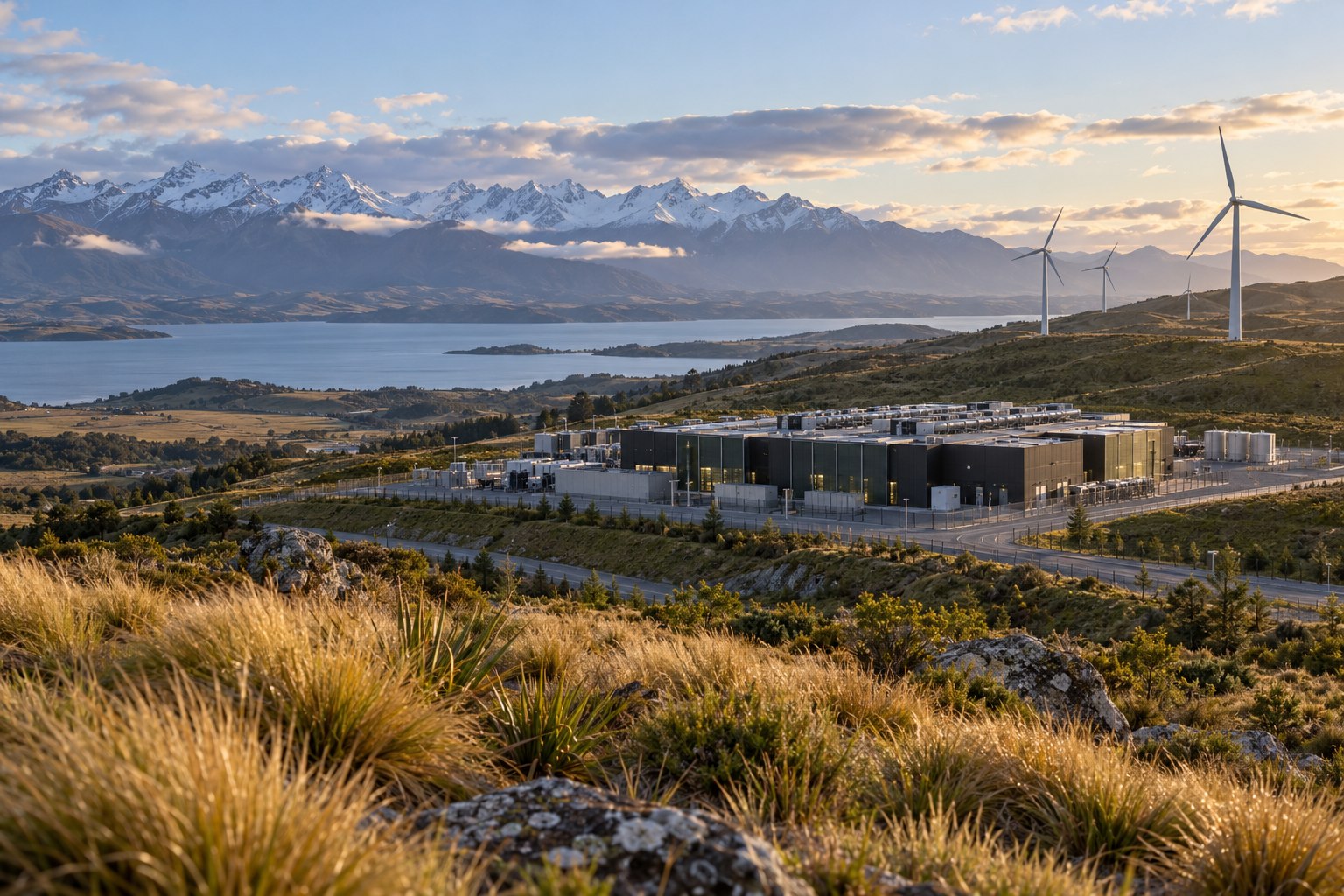

Online Gambling's Environmental Impact
Online gambling has no gaming floor, hotel tower or bank of physical slot machines at the customer’s home. Its infrastructure is less visible, not absent. A digital service depends on phones and computers, data centres, networks, offices, payment systems, security tools and the buildings that keep staff and equipment operating. Each part has a different environmental boundary and may sit in a different country.
There is no sound universal claim that online gambling is always lighter or heavier than a land-based casino. The comparison depends on what is counted: player travel, venue energy, device manufacture, cloud hosting, network traffic, food and accommodation, and the number of users served. A useful account identifies those components before assigning a total footprint to a platform or session.
Map the service before counting it
A customer-facing app is only one layer. A session can involve account authentication, game logic, random-number generation, fraud detection, identity checks, payments, customer support, data storage and analytics. Some functions run on a provider’s own systems; others are rented from cloud vendors or supplied by external payment and identity firms. The environmental load is distributed across this supplier chain.
Player equipment belongs in a separate, clearly named layer. A mobile session uses the handset display, processor, battery and wireless connection. A desktop session may use a larger screen, gaming PC and home router. The device often serves many activities, so assigning its full lifetime footprint to gambling would exaggerate the platform’s share. Allocation by active time or measured workload can provide a more proportionate estimate.
Operator offices, advertising production, business travel and customer contact centres can be included in a corporate inventory. These emissions differ from the footprint of a single game round. A platform’s annual electricity bill may cover offices and equipment rooms while excluding cloud services and customer-side devices. A boundary statement should make such exclusions visible.
Digital services exchange physical loads
Hosting consumes electricity for servers, storage, cooling, power conversion and backup systems. Network traffic uses equipment in access networks, aggregation points and long-distance links. A low-bandwidth game with static graphics does not create the same workload as a live video stream, but both rely on authentication and persistent platform services. Real-time service availability can keep systems active when customer demand is low.

A gambling platform usually shares hosting with other customers. The operator should say whether its number covers the provider’s whole site, a regional portfolio or an allocation to the platform. Without that method, facility figures describe the host rather than the gambling service.
Security and reliability create additional work. Fraud screening, identity verification and account-protection systems process data and keep redundant services available. These controls serve safety, financial integrity and legal compliance; removing them to lower a power estimate would be the wrong comparison. The relevant design question is how to deliver required safeguards efficiently and measure the demand they create.
Mobile use shifts demand to the user edge
Phone energy depends on screen brightness, signal, handset age, battery condition and background apps. Operators rarely meter each customer's wall electricity, so device-side estimates need a stated test or model. Reduce unnecessary animation, oversized assets and repeated refreshes while keeping accessibility and security functions.
Server-side processing can help a low-end phone but moves work to provider infrastructure. Shared laptops and household charging further complicate app-level allocation. Report observed network or compute activity separately from modelled client-device energy so the whole service is visible without claiming false precision.
Physical comparison needs matched boundaries
| Online service component | Physical venue counterpart | Boundary issue |
|---|---|---|
| Cloud hosting and platform operations | Casino floor systems and building plant | Shared infrastructure may support many services. |
| Customer device and home internet | Player travel to a venue | Both have non-gambling uses and need allocation rules. |
| Digital security and payments | Cash, surveillance and venue security systems | Safety functions matter in both models and cannot be ignored. |
| Advertising and customer support | Venue marketing and guest services | Corporate activities may sit outside a per-session estimate. |
| Food, accommodation and cooling | Hospitality attached to a casino resort | Online and land-based service bundles may be different. |
A casino resort may include hotels, restaurants, event facilities and retail spaces. Assigning the whole building’s energy to gambling inflates the result; excluding all common-area energy understates it. An online app has a parallel allocation issue when it runs on cloud systems shared with other brands. Both calculations need a service boundary that matches the experience being compared.
Player travel can be a substantial part of a physical visit, especially when the venue is a destination resort. Online use avoids that trip for the customer but still depends on device supply chains and network infrastructure. A comparison should not credit one channel with all avoided travel while ignoring new services, additional use or journeys associated with staff and suppliers.
Service regions shape a New Zealand-facing footprint
A New Zealand user may reach authentication, game logic, payments, storage and content delivery in different countries. A market estimate therefore needs service-location and workload data, not only customer counts or New Zealand's grid factor. Record provider or region moves across reporting years.
State whether the account covers activity physically in New Zealand or the operator's wider value chain, including offshore hosting and devices. Keep that boundary stable when comparing years; a migrated workload can change electricity and water use without changing the number of sessions.
What a credible footprint disclosure contains
- Annual electricity by owned site, data-centre provider and material service region.
- Workload data such as compute hours, storage volume, data transfer or active sessions.
- Allocation rules for shared cloud infrastructure and customer-side devices.
- Water withdrawal and consumption by data-centre location where provider data allow it.
- Separate values for measured activity, supplier data and modelled estimates.
A session denominator can help compare platform versions, but it can conceal growth in total sessions. Report emissions per active user or session alongside absolute annual totals. Distinguish a completed game transaction from an hour of service availability: online systems often consume resources between user actions.
When supplier information is unavailable, report the gap and identify the proxy used. A contract can request the serving region, annual energy, water source and allocation method. Access to those fields improves the account even if the provider cannot calculate a customer-specific figure.
Claims should describe the service actually measured
To compare an online session with a venue visit, define the same activity and period first. The online side can include the player device, home connection, platform and hosting; the venue side can include travel, gaming-floor electricity and a defensible share of shared building services. A comparison that omits travel on one side or assigns all hotel energy to the other answers a different question.
Operational electricity improvements can be reported without calling an entire service green. Examples include reducing idle server capacity, improving software efficiency, selecting suitable data-centre regions and planning demand around renewable availability. Those actions matter when the company tracks absolute power use and total service volume as well as efficiency per session.
A user session can end while platform systems remain active: authentication, payment checks, fraud monitoring, wallets and logs continue to serve the wider operation. When the denominator covers only game minutes, those persistent loads disappear from an energy-per-session figure.