
Gaming Sustainability: 2026 Updates
Gaming sustainability news in 2026 is concentrated in two places: how electricity systems change over time and how digital infrastructure reports its resource use. Both affect gaming services that rely on studios, online platforms and cloud capacity, yet they describe different parts of the footprint. A national power milestone cannot establish the performance of an offshore server, and a facility rating cannot explain the emissions of every game stream. MBIE June 2026 quarterly release.
This briefing is current to 28 October 2026. It dates each development and describes its relevance for New Zealand game studios, online platforms and technology suppliers. Electricity figures belong to a reporting period; infrastructure proposals remain distinct from rules that have already taken effect.
New Zealand electricity conditions remain variable
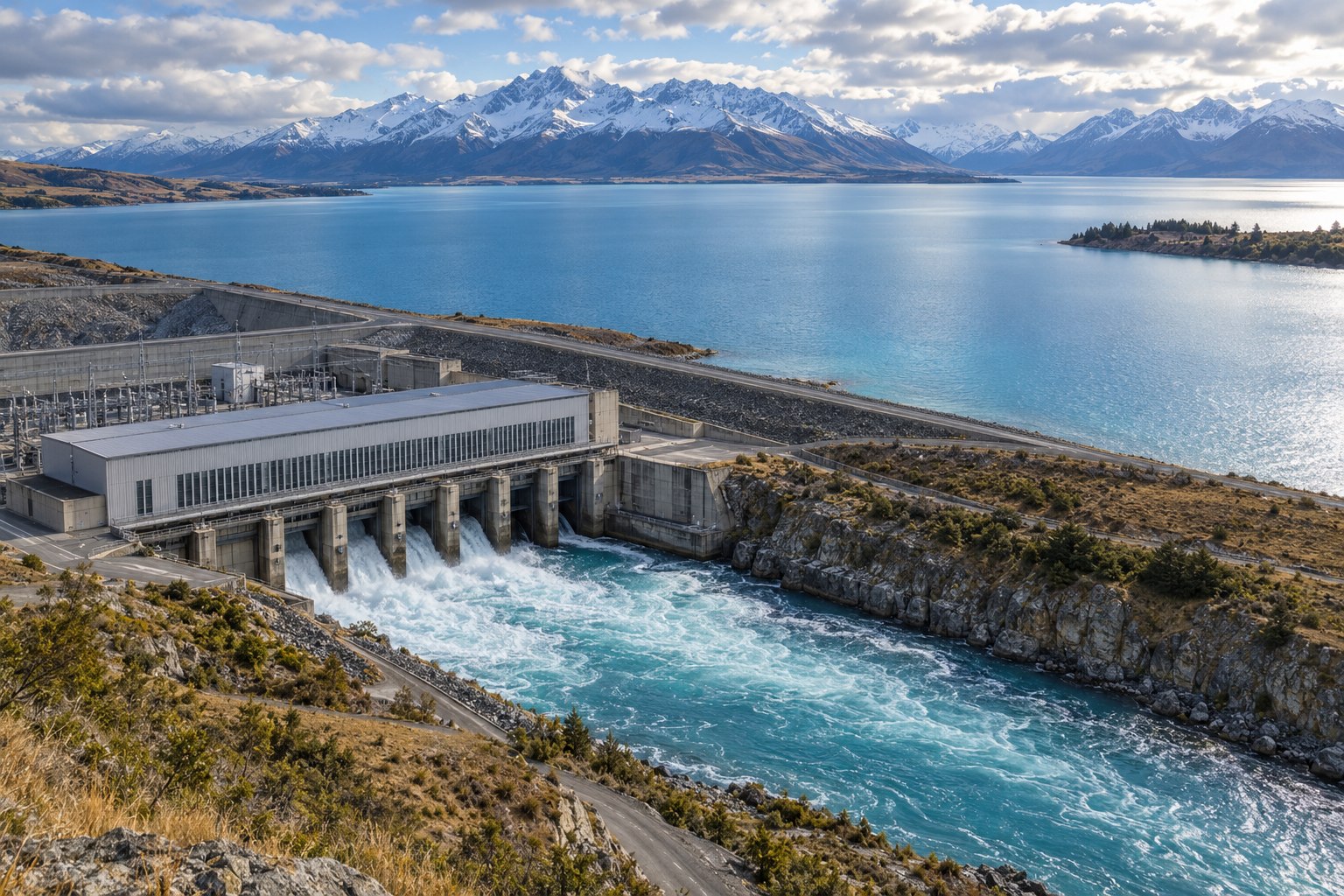
MBIE released its April - June 2026 New Zealand Energy Quarterly on 10 September 2026. Renewable sources generated 92% of electricity that quarter, up 11.4% in renewable output year on year; hydro output was 6,283 GWh, geothermal reached a quarterly record of 2,621 GWh, and solar reached 242 GWh. Solar also exceeded coal across the preceding 12 months for the first time on record. These figures describe a strong hydro quarter, not a permanent annual mix.
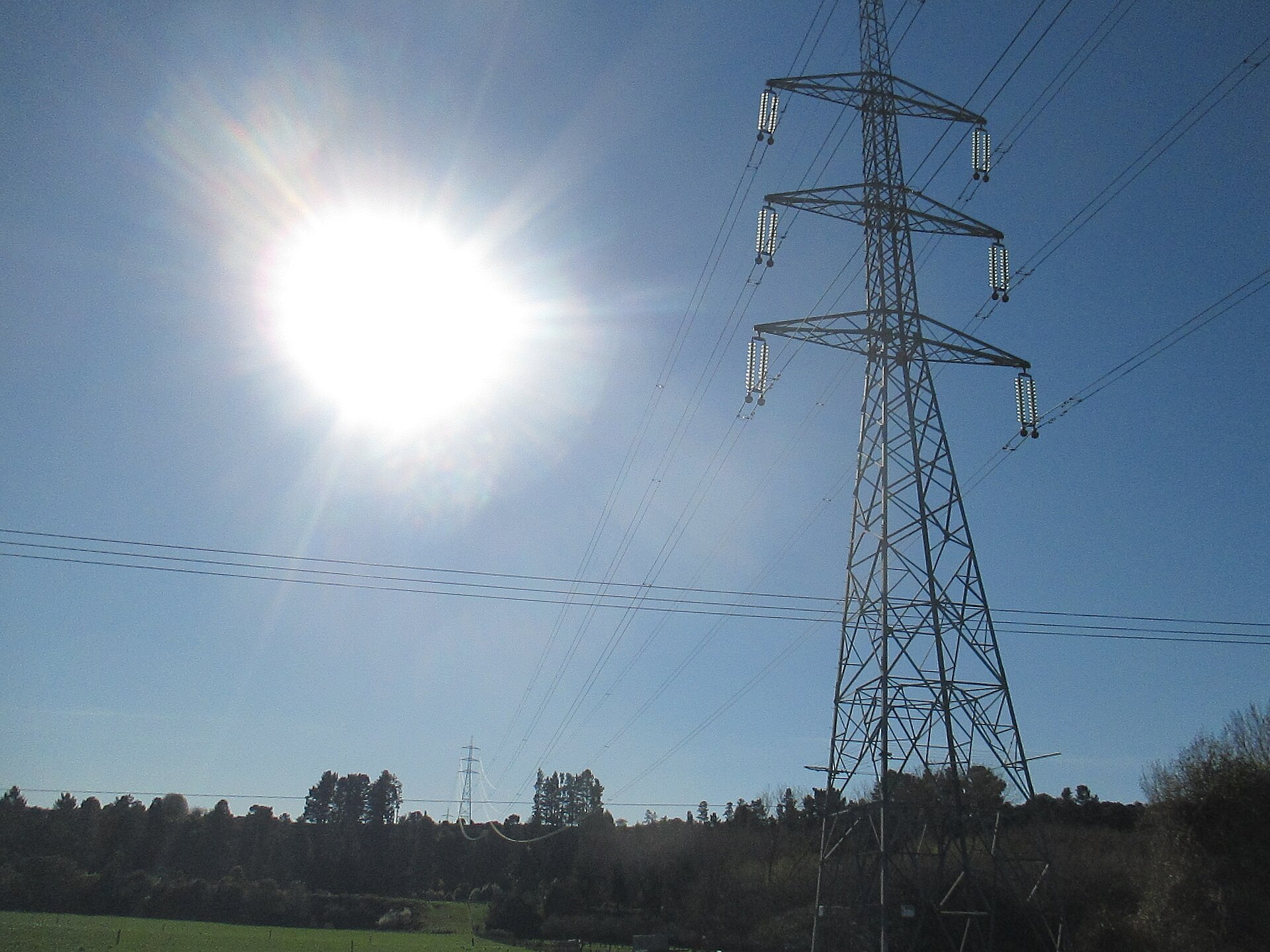
For a local studio or venue, the operational question is how its electricity use aligns with the grid across its working hours. A high renewable share can reduce average emissions, but thermal generation can still contribute during dry or high-demand periods. Workloads that can wait - such as builds, backups and some updates - can be scheduled with time-aware signals when the service requirements allow it.
For a New Zealand-facing platform using offshore cloud infrastructure, local generation statistics do not describe the electricity behind the service. Data-centre region and supplier accounting method remain necessary fields in a carbon estimate. Location disclosure is becoming more important as cloud workloads grow and customers ask where digital services run.
European data-centre ratings move onto the policy agenda
On 21 September 2026, the European Commission proposed a common rating scheme intended to make data-centre energy and water use more transparent. The proposal followed an assessment of facility information reported for 2024. It is a policy proposal, not a single global standard already applied to every data centre or gaming provider.
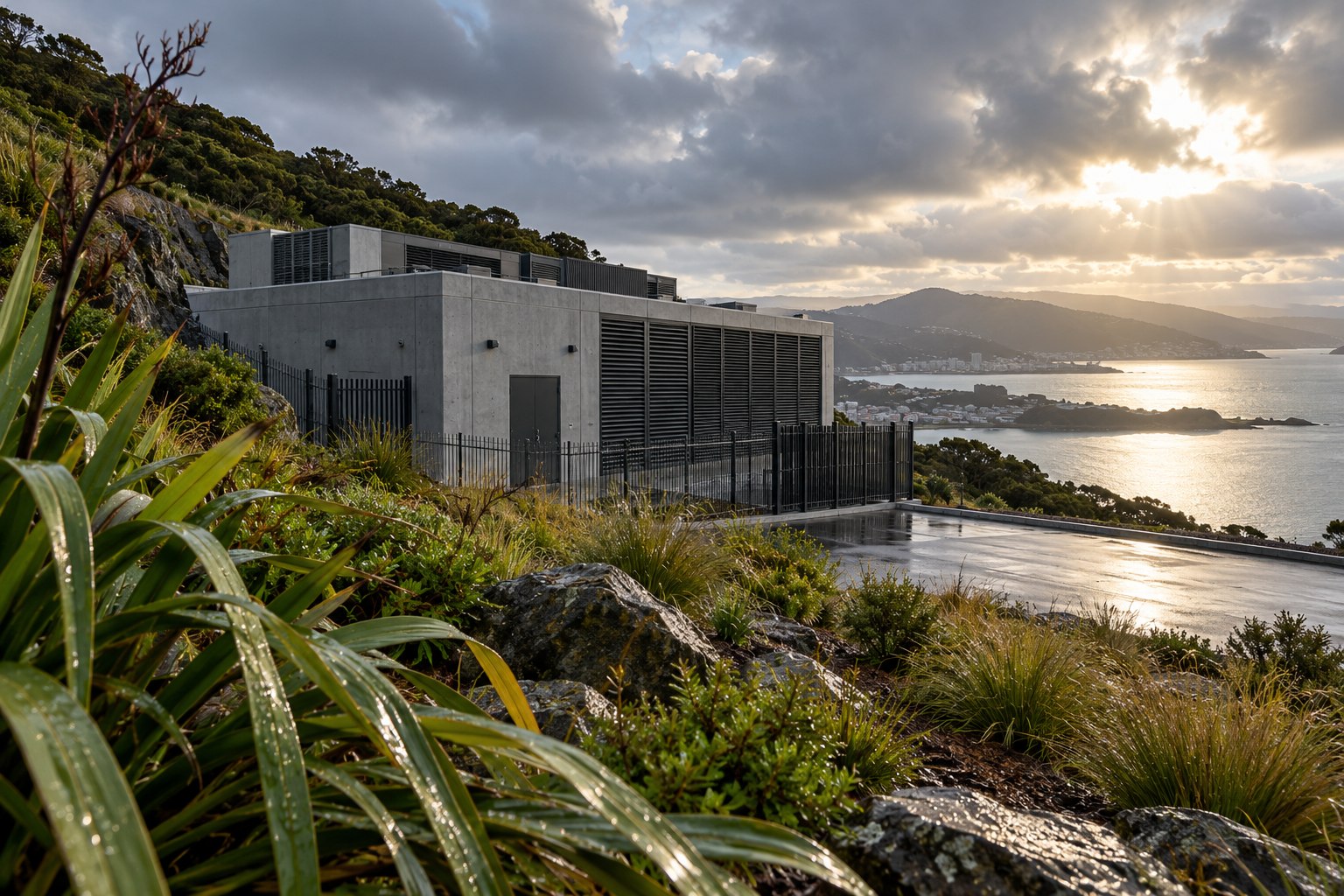
The potential relevance to gaming is practical: publishers, platforms and cloud-game services buy capacity from facilities that serve several sectors. A common rating could make it easier to compare facility performance by location and identify which metrics a supplier reports. It would not, by itself, allocate a data centre’s total energy to one game or show a player’s device footprint.
Suppliers may begin aligning their reporting formats before a common rating is fully implemented. Gaming customers can preserve the facility location, reporting year, water method and IT-energy denominator alongside provider figures. Those fields help distinguish an actual operating change from a new way of presenting the same data.
Prepare for consistent disclosure while the proposal develops
A proposed rating system can only improve comparisons when operators use the same definitions and report comparable sites. A buyer should distinguish a facility’s measured annual energy from a modelled allocation to a particular service. A rating may help describe the building’s performance; it does not assign the building’s shared load to each hosted customer.
Gaming companies can prepare a supplier record that captures the data-centre location, reporting period, IT energy, total facility energy, cooling approach and the water categories included. It should also record whether the figure covers owned sites, leased capacity or a provider’s wider portfolio. A supplier average can still be useful as a proxy, but the record should label it as an estimate and preserve the method.
- Ask which physical region served the gaming workload during the reporting period.
- Separate facility totals from customer-level energy allocations.
- Record whether water data describe withdrawal, consumption, discharge or reused supply.
- Keep the same service boundary when comparing providers or years.
The proposal concerns data-centre disclosure, while a gaming service also relies on networks, user devices and sometimes local studios. Its eventual rating cannot stand in for a full service footprint. It can, however, make one important part of the supplier picture easier to request and compare.
New Zealand companies should treat the European development as a market signal for supplier data, not as an automatic local obligation. A cross-border provider may respond through a voluntary report, a customer contract or a formal disclosure regime. Each response needs a status label: binding requirement, independently checked metric, company estimate or sales statement.
Gaming workloads need to be separated from shared infrastructure
Cloud game builds, distribution, multiplayer, saves, analytics and live streaming can run on shared infrastructure. A facility rating describes the data centre; a game-service account needs an allocation method for the workload. CPU or GPU time, data delivered, storage and reserved capacity can each produce a different result.

Video streams have a different profile from lightweight account and matchmaking requests. A rating that reports energy and water at facility level creates a better supplier baseline, while a publisher still needs service-level activity to compare games or regions. Shared workloads make exact attribution difficult, so a range with a documented rule is more useful than a decimal with no boundary.
New Zealand studios that buy services from European providers may receive more consistent site metrics even when their own team is small. A cloud contract can request the relevant region and annual figures; the studio can then record which build or live-service workloads used that capacity. Supplier information becomes more useful when it follows the service rather than the corporate parent alone.
Disclosure is shifting toward workload and location
Regional facility figures are more useful when they identify the site, year, service boundary and allocation method. A cloud provider's fleet average or company-wide renewable purchase does not show the electricity used by one game stream. Gaming customers can ask for data by region, service and workload, while recognising that supplier access and definitions still vary.
A small developer may begin with office meters, workstation inventories and cloud bills; a publisher can request region-level supplier data and assurance. The decisive test is whether the same boundary can be used again next year, not the number of metrics in a report.
| 2026 development | Confirmed scope | Question for gaming operators |
|---|---|---|
| Renewable electricity milestone | New Zealand June 2026 quarter | Which part of the company actually uses local grid power? |
| EU data-centre rating proposal | Commission proposal announced 21 September 2026 | Which site and workload does a provider figure cover? |
Industry numbers still need scope notes
Emissions or energy can move because a studio grows, a sales cycle changes, a venue expands, hosting shifts region or an accounting boundary changes. Read absolute totals beside intensity and activity: lower emissions per user do not establish a total reduction if the user base grows.
Product-use estimates need lifetime, hours and grid assumptions; facilities need region, ownership and utilisation. Maintain a change log for hardware features, provider moves, policy dates, collection coverage and workload so a news percentage can be traced to a real operational change or a revised calculation.
What to watch through the next reporting cycle
- Quarterly electricity data and new generation capacity in New Zealand.
- Implementation details and comparable fields in the proposed data-centre rating scheme.
- Provider reporting by service region, workload and water metric.
- Allocation methods for cloud gaming, builds and video delivery.
- Whether reported efficiency improvements reduce absolute facility demand.
MBIE lists 10 December 2026 for the next Energy Quarterly release. Compare its renewable share and electricity demand with the June quarter’s 92% renewable generation, keeping the quarter and weather conditions visible. For the European Commission’s proposed data-centre rating scheme, watch the final rule and published site-level fields rather than treating the September 2026 proposal as an operating label. MBIE release calendar; European Commission status.
A New Zealand studio may buy overseas cloud capacity through a local account while its build jobs run elsewhere. The provider’s headquarters is not a location factor; the workload region and service month are the relevant fields.