

NZ Environmental Rules for Gaming
Gaming businesses in New Zealand sit within several legal systems rather than one environmental rulebook. A software studio, esports venue, casino resort, electronics importer and data-centre operator can face different duties based on their activities, property, emissions profile and role in a product chain. The relevant regulation may govern a building project or waste shipment even when the business’s core service is digital.
This overview reflects the position on 30 October 2026. New planning and climate-reporting requirements are in transition; applicable duties depend on regulations, national direction, council plans, consent conditions and an organisation's legal form. Internal sustainability targets and statutory obligations have separate scopes and owners.
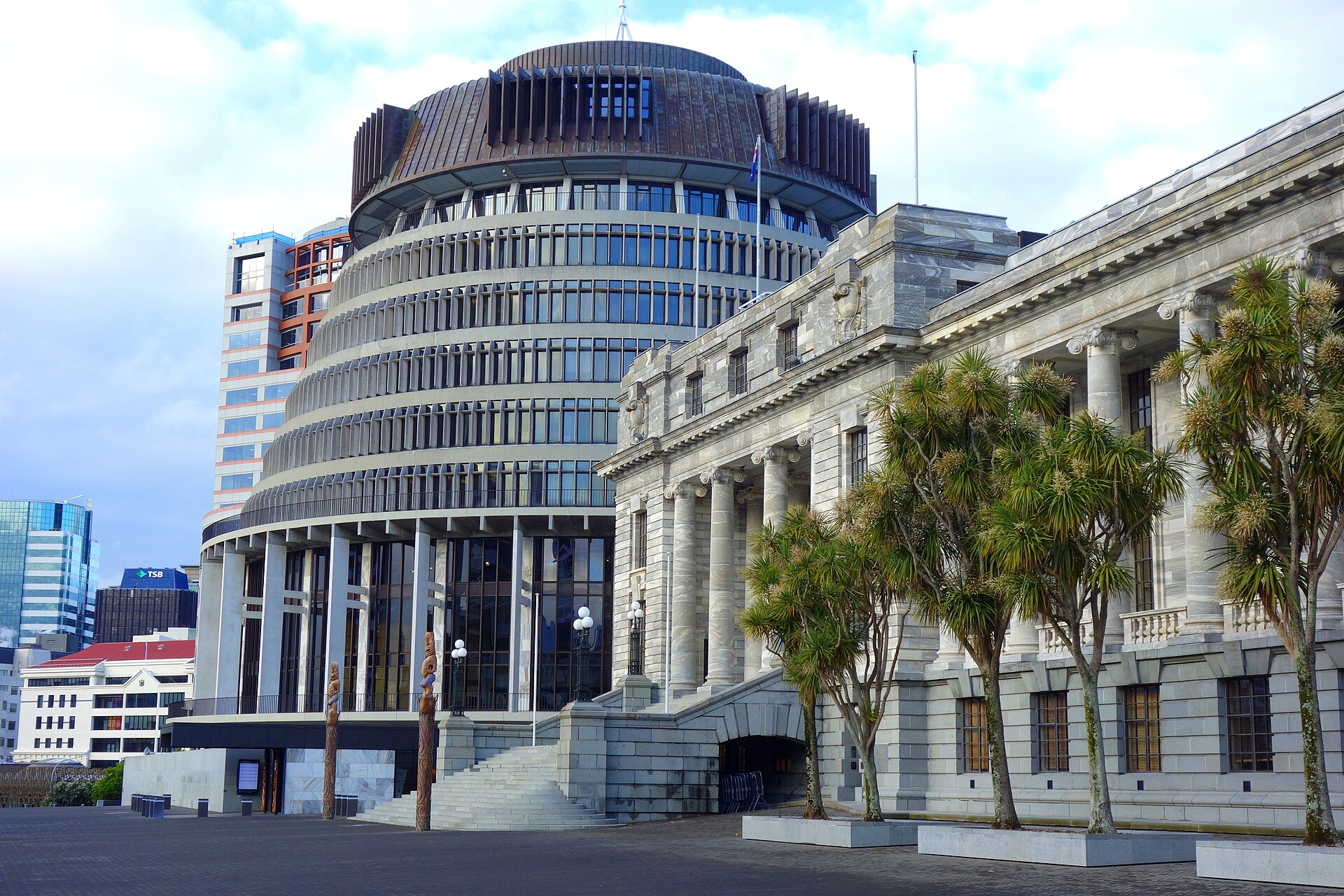
Planning rules are changing in stages
The Planning Act 2026 and Natural Environment Act 2026 were passed on 30 September 2026. Their replacement planning system is being introduced in stages through 2030. Ministry resource-management reform status
What determines the applicable rules
During the transition, requirements can depend on the site, activity, application date, council plan and existing consent conditions. A venue fit-out, new studio building, data-centre expansion, water take or discharge may raise different planning or permit questions.
National climate targets and company reporting
| Layer | Scope | Boundary |
|---|---|---|
| National targets | The Climate Change Response Act sets a 2050 target for long-lived greenhouse gases and biogenic methane. The second emissions reduction plan covers 2026-2030. Ministry second emissions reduction plan. | National targets guide government policy; they do not create an identical emissions quota for every studio, retailer, casino or publisher. |
| Mandatory statements | Climate statements apply to entities that meet the statutory definition of a climate reporting entity. The FMA described uncertainty around proposed coverage changes and extended a no-action approach for specified 2026/27 reporting periods. FMA notice of 29 September 2026. | The enforcement approach is not a final change to legislation. Reporting entity status, balance date, assurance rules and the relief period determine the position for a covered organisation. |
| Voluntary disclosures | Investors, lenders, customers or parent companies may request emissions data from businesses outside mandatory coverage. | Voluntary claims remain subject to fair-dealing rules; their scope should match the underlying evidence. |
Electronic products and e-waste shipments
| Area | What the rules cover | Important limit |
|---|---|---|
| Product stewardship | Electrical and electronic products, including batteries, are declared priority products under the Waste Minimisation Act framework. Ministry priority-product status. | Priority status signals a policy direction for end-of-life management; it is not a universal take-back duty for every console, controller, monitor or battery. Scheme coverage is product-specific. |
| Business role | Importers, distributors, sellers, lessors and organisations retiring equipment occupy different positions in the product chain. Product categories and recovery routes affect the records associated with each role. | A studio disposing of a few workstations and an importer placing equipment on the market do not have identical responsibilities. |
| Cross-border movement | Since 25 July 2025, EPA permit requirements cover shipments of non-hazardous e-waste as well as hazardous e-waste. EPA shipping-permit guidance | Whether equipment is waste and which import or export permit applies affects a border shipment. A domestic handover to a recycler is a different transaction. |
Building rules apply to physical sites
| Layer | Relevant requirements | Responsibility context |
|---|---|---|
| Building work | Building Code clause H1 addresses energy efficiency in relevant building work, including thermal resistance, hot water, lighting and HVAC. Building Code clause H1 | Consent status, the applicable dated H1 pathway and transition rules determine the requirements for a project. Construction compliance and an operating energy target are separate matters. |
| Operation | Commissioning, controls and maintenance affect a building's operating performance. | Leases, consent documents and service contracts can allocate control of meters, central plant, gaming equipment and fit-out. A shared utility bill alone does not assign those responsibilities. |

Water requirements depend on the site
| Site factor | How it affects the position |
|---|---|
| Location and transition | Water use and discharges are governed by planning and environmental rules that vary by location. Consent applications continue under the RMA system during the phased transition; local plans and existing consent conditions remain relevant. |
| Activity and connection | Freshwater abstraction, cooling-water discharge or land-use changes at a data centre or resort may require consent. Municipal connections can still involve trade waste, stormwater or plumbing obligations. |
| Measurement and reporting | Thresholds and monitoring depend on applicable rules and consent terms. Measurement and reporting apply to certain consented abstractions, with regional authorities administering conditions. Ministry water-take measurement guidance. |
Gambling licences and environmental duties
The Online Casino Gambling Act is in force, while the licensed regime is being introduced in stages and is expected to be fully operational in 2027. The Department of Internal Affairs describes the provider timetable, including the 1 December 2026 transition. DIA provider status, updated 13 October 2026.
Separate regulatory scopes
Online gambling legislation and environmental rules address different activities. Ordinary video-game development is not online casino gambling solely because it includes in-game purchases or online play; classification depends on the activity and statutory definitions, including payment to participate and the possibility of winning money or prizes. A casino operator may have both gambling and environmental obligations: a gaming licence does not determine building, waste, water or climate-reporting status.
Regulatory triggers and transition dates
| Change or event | Related regulatory area |
|---|---|
| Planning system transition | Commencement dates, transition orders, council plans and consent conditions can affect the pathway for a particular application. |
| Site or activity change | Venue expansion, cooling-system changes, workload relocation, water use, discharges or building alterations can change which site approvals and conditions are relevant. |
| Equipment shipment | Cross-border movement of retired devices can bring EPA e-waste permit requirements into scope. |
| Reporting status or period | Climate reporting entity status, balance date and current FMA relief periods determine applicable reporting requirements. |
| Environmental claim | Claims about recycling, renewable electricity or carbon neutrality carry a separate fair-dealing risk when their scope, period or evidence does not match the statement. |
Records that define site and supply-chain responsibilities
- Site records: owner or tenant, system control, active consents and permit conditions, authority notices, water source, discharge route, meters, waste contractors and equipment inventory.
- Supply-chain records: responsible importer or shipper, processing route, permits, recovery evidence and secure data erasure.
- Rule dates: enactment, commencement and transition deadlines are separate dates.