
Lower-Impact Casino Operations
A casino can make visible environmental improvements without relying on a single “green” label. Building controls, equipment maintenance, food purchasing, water systems, waste handling and supplier terms each affect a different operating load. The first task is to decide which site, service or corporate activity is in scope. A casino floor, a resort hotel and an online platform do not share the same material priorities.
Good practice connects a control to a measure and an owner. A lighting retrofit should have a baseline, commissioning record and electricity trend. A food-waste programme should weigh material before and after the change. A recycling claim should identify the collector and downstream route. That operating discipline makes results durable across management changes and property refurbishments.
Set a boundary that matches control
A casino operator may own a building, lease it, manage it for a landlord or share services with a hotel. The boundary determines which energy and water can be directly controlled and which information must come from a property manager. An inventory should label owned sites, leased areas, shared plant and outsourced services rather than rolling them into one total without explanation.
Give each action an owner and evidence trail. Facilities staff can approve a lighting schedule; procurement can require repair and take-back terms; finance can reconcile electricity invoices; the editorial team can check that public claims match the measured boundary. An online operator needs the same ownership map for hosting, offices, customer support and payment services.
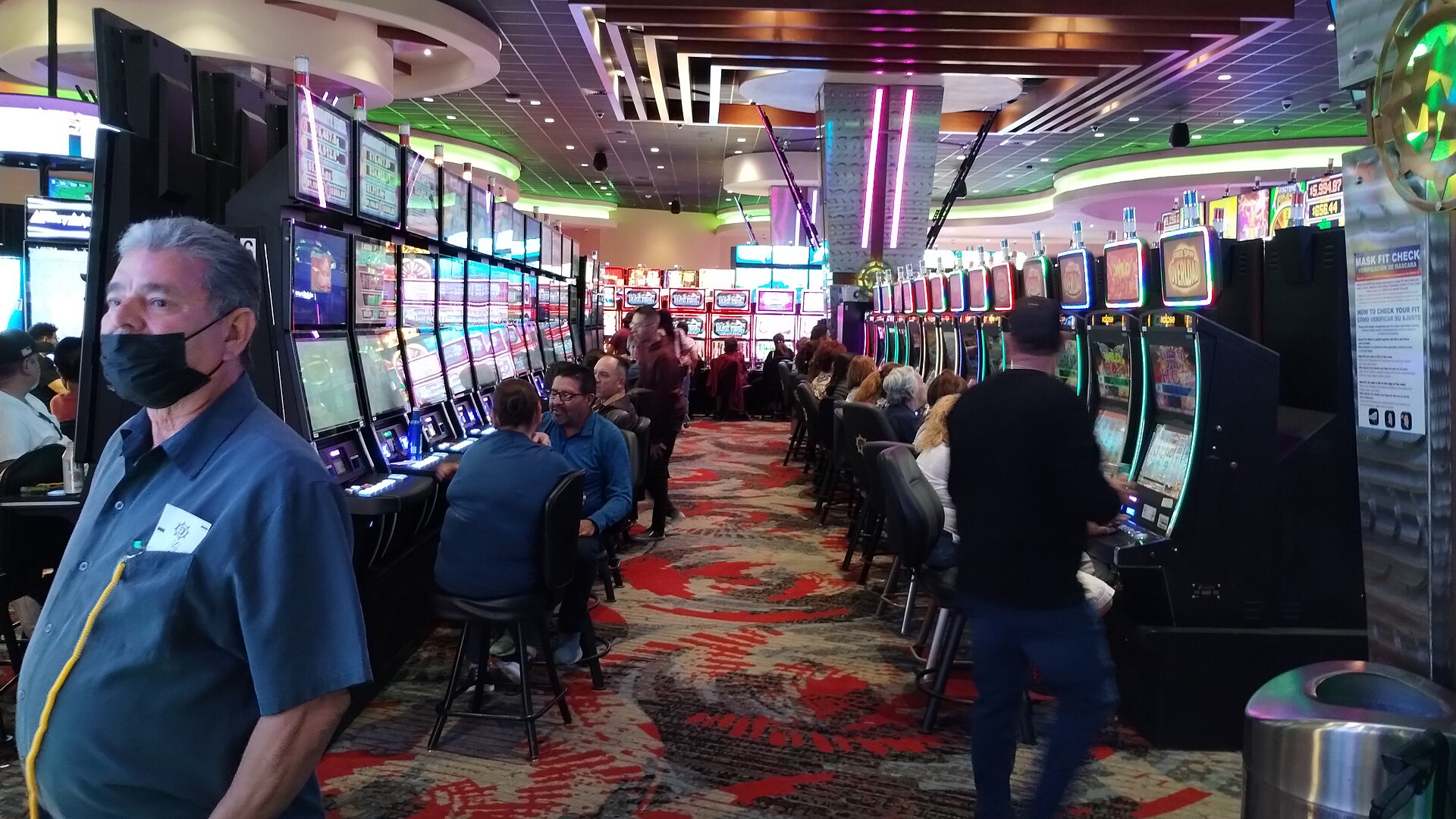
Baseline years need stable operating conditions. A closure, refurbishment, new hotel wing or change in opening hours can shift energy totals independently of efficiency. Record the floor area, gaming positions, occupied rooms, visitor numbers and operating hours alongside consumption. This helps explain why absolute and intensity measures move differently.
Make building energy a maintenance system
Heating and cooling controls affect comfort, equipment life and electricity use. Calibrated sensors, variable-speed pumps and fans, correct refrigerant charge, clean filters and plant schedules can improve system performance. A casino floor with heat from machines and lighting may require different zoning from a kitchen, hotel room or server room.

Lighting upgrades should preserve safe walkways, visibility for staff and appropriate surveillance. Use zones tied to occupancy and time, and test dimming against the actual tasks performed in each area. LED fixtures can reduce heat and electricity, but savings depend on controls and runtime. A commissioning log should show target levels, schedules and measured operation.
Maintenance teams can use alarms, sub-meter trends and equipment logs to spot simultaneous heating and cooling, overnight operation, failing chillers and inefficient air handling. Staff training helps when controls affect comfort. A process for reviewing overrides prevents a temporary setting from becoming a permanent energy load.
Give water decisions an owner
A water policy should state who reviews invoices, investigates a leak, approves a retrofit and confirms that guest and food-safety standards still hold. Staff need a route to flag continuously running taps, cooling faults and irrigation outside scheduled hours. The record should show when an issue was fixed and whether the next bill changed.
Procurement can require suppliers to disclose the water source and reporting period for high-use services, while an owned property can use its own meter records. Keep the two evidence types separate: a venue bill measures local supply, whereas a cloud provider’s fleet average may cover facilities in several regions.
New Zealand freshwater availability and quality differ by place. A venue connected to a municipal network still depends on local treatment and source conditions. A hotel in a catchment facing summer stress may need stronger seasonal controls than a site with different supply conditions. A generic national water target cannot show those site-level pressures.
Build circular practices into daily operations
Food
- Operational control
- Forecast covers, adjust batch preparation and separate edible surplus
- Record to retain
- Waste weight by kitchen and disposal or donation route
Electronics
- Operational control
- Repair, redeploy or send through an accepted e-waste channel
- Record to retain
- Asset list, data handling and downstream destination
Packaging
- Operational control
- Specify returnable or lower-material formats with suppliers
- Record to retain
- Volumes purchased and avoided single-use items
Fit-out materials
- Operational control
- Inventory reusable furniture, lighting and carpet before refurbishment
- Record to retain
- Items retained, resold, donated or recovered by mass
Cleaning products
- Operational control
- Use measured dosing and compatible refill systems
- Record to retain
- Concentrate volume and chemical storage controls
Waste separation begins where material is produced. Back-of-house staff need a clear set of containers, signage and collection schedules. Contractor invoices can be checked against the property’s own weights. If mixed waste is weighed as a single stream, a high recycling rate cannot be claimed from the number of colour-coded bins alone.
Electronic gaming equipment should have a documented retirement route. A machine may contain customer records, transaction details or security configuration, so data removal precedes donation or recycling. Repairable units should be assessed for parts and software support. Collection is not equivalent to reuse or material recovery, and contracts should name the processor and reporting period.
Procurement creates long-lived environmental effects
Compare equipment over its expected service life, including operating hours, energy, maintenance, refrigerants, spare parts and replacement risk. A higher initial price can be justified by lower running costs; a cheap appliance with weak controls may cost more over time. Ask major suppliers for specific energy data, recovery routes and fit-out material information.
For food, a shorter transport route alone does not prove lower emissions; production, season and refrigeration also matter. Refurbishment contracts should name reusable assets, packaging and hazardous-material rules, refrigerant recovery and commissioning records, with a project owner responsible for checking the result.
Run sustainability as a venue operating routine
Give each environmental task a named owner and a normal place in the operating calendar. Engineering can review plant alarms and overnight baseload; housekeeping can flag leaks and room-control faults; kitchens can log food waste and refrigeration temperatures; procurement can track equipment take-back and packaging requirements. A task becomes repeatable when it is linked to a shift handover or maintenance ticket.
Use three cadences. On each shift, record safety-critical faults, unusual water loss and equipment left running. Each month, compare utility invoices with meter readings and check whether action tickets were closed. At the annual planning cycle, set capital priorities from recurring causes rather than from one high bill. The record should show who approved the action and when its effect will be checked.
Operational targets need guardrails. Lower lighting demand cannot compromise surveillance or safe movement; reduced laundry loads must still meet hygiene rules; food-waste changes must preserve food safety. State the service condition beside the resource target so staff do not have to guess which priority takes precedence.
Train staff with site-specific instructions: which valve to isolate, which equipment must remain on, where batteries are stored and who can authorise a contractor call. Short instructions beside the control point are more useful than a generic annual reminder. Supervisors can sample locations and feed recurring issues into maintenance planning.
Track environmental claims as carefully as costs
Attach the property, period, baseline and measured outcome to each claim. A renewable contract, certificate and onsite generation are different mechanisms; ?zero waste? needs a waste boundary and treatment route, while a water claim needs a defined replenishment method and basin connection.
| Claim | Evidence to retain |
|---|---|
| Energy reduction | Meter boundary, operating hours, occupancy and weather adjustment |
| Renewable electricity | Generation or contract type, covered volume and period |
| Waste or water outcome | Material route or water source, treatment and local boundary |
Report offsets and certificates separately from direct operating changes, and explain any changed meter boundary before claiming a trend.
Assign ownership and review frequency
- Facilities teams own meters, maintenance, HVAC controls and lighting schedules.
- Food and beverage managers own food waste, water-intensive processes and purchasing data.
- Procurement owns supplier evidence, repairability terms and take-back conditions.
- Finance or sustainability leads maintain boundaries, emissions factors and annual records.
- Operations leaders review guest comfort, staff safety and service-quality guardrails.
Monthly energy and water reviews can catch faults; quarterly waste and purchasing reviews can reveal structural changes. Annual reporting is suitable for corporate targets but too slow for a broken chiller or leaking valve. The review interval should match how quickly the team can act and how often the data are available.
A meter labelled “casino floor” may also feed a hotel lift, kitchen exhaust or shared plant room. Before allocating its reading, property teams need a wiring schedule or an agreed percentage; room occupancy cannot identify which equipment sat behind the meter.