
NZ Gaming Sustainability Initiatives
New Zealand has services that gaming organisations can use even when a programme is not designed specifically for games. Technology recovery schemes accept some gaming equipment; energy-efficiency support applies to businesses across sectors; community refurbishment services can redirect suitable laptops. A laptop, monitor and damaged console may fit different programmes, depending on the provider’s accepted items and current terms. An “electronics” label does not guarantee that consoles, screens, batteries and peripherals are all accepted.
A sustainability plan for a studio, esports venue or home gaming setup can combine these existing routes with its own measurement. A national drop-off network may handle ICT equipment, while a television, battery or large gaming display needs a separate pathway. An energy audit may identify building loads but does not certify a game’s supply chain.
EECA audit support has a defined eligibility threshold
EECA’s published energy-audit support covers up to 40% of an eligible audit, capped at NZD 20,000. Its eligibility page lists private businesses spending more than NZD 3 million a year on stationary energy and public organisations. A small game studio below that threshold should not budget for this particular co-funding route. EECA energy-audit eligibility and funding.
| Audit type | What it examines | Typical use |
|---|---|---|
| Detailed energy audit (Type 2) | Whole-site equipment systems and operating characteristics | Quantified options across a facility |
| Precision energy audit (Type 3) | A defined subsystem with added measurement and data collection | More certainty for capital-intensive work such as pumps, fans or refrigeration |
This programme is a practical route for a large venue or studio campus; a small studio below the stationary-energy threshold may need to begin with its utility bills, asset inventory and an approved supplier’s standard service. Funding rules and available rounds can change, so the figures here are tied to EECA’s programme information current on 29 October 2026.
TechCollect provides a national ICT recovery route
As checked in October 2026, TechCollect describes more than 41 free drop-off locations and accepts gaming consoles and controllers alongside computers and related ICT equipment. It excludes batteries and televisions from its current accepted list, so a studio should check each item before transport. TechCollect accepted items and locations.
TechCollect reports 96% recovery for material it handles and describes its R2v3 and AS/NZS 5377 certified recycling network. Those are the scheme’s own service figures, not a national electronics recovery rate. Its application to manage a regulated product-stewardship scheme remained pending in October 2026; its current collection service is voluntary. TechCollect accreditation status.
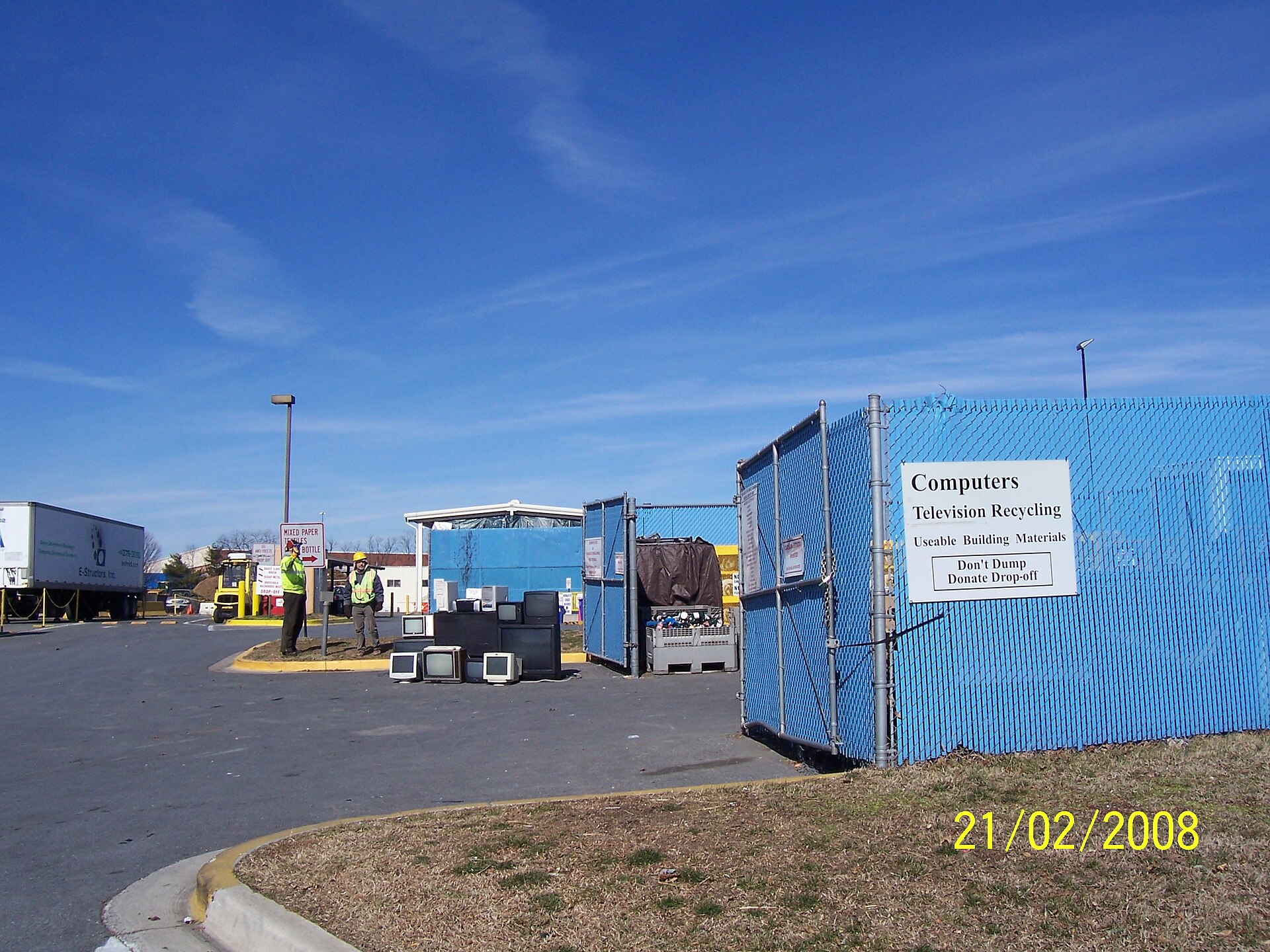
For studios, esports teams and retailers, the scheme can support equipment retirement records. Keep an asset list with model, serial number, condition, data-erasure status and collection date. The downstream report can then be matched to items removed from the inventory rather than treating the overall collection weight as proof that every device was recovered.
Regional host partners can widen access
TechCollect’s Host Partner Programme is aimed at rural and regional areas without a nearby drop-off point. It works with local organisations that can host a collection location or event, while the scheme supports bins, freight and downstream processing. Its site names partnerships in Buller, Gisborne and Westland.
A regional host can make a collection route available to community groups, schools, small businesses and local gamers. The service’s own terms note that a per-kilogram processing charge may apply for host partners, depending on location, volume and frequency. That is distinct from the no-cost household and small-business drop-off service described for participating retail sites.
A tournament organiser or local game development group can coordinate with an existing host partner for a one-off equipment clear-out. The host needs to confirm which categories it accepts and how batteries are stored. A community event should not collect damaged lithium batteries or non-accepted televisions without a separate safe handling plan.
Recycle a Device combines reuse with digital inclusion
Recycle a Device accepts donated laptops that are less than ten years old and come with a charger. Its model includes refurbishment learning for young people and distribution of working laptops to people and community organisations that need them. That service is a reuse route for suitable portable computers, not a general collection option for consoles, phones or desktop towers.
Gaming studios may have spare office laptops that no longer meet development needs but still support everyday computing. Before donation, the organisation should confirm the machine meets the programme’s age and condition criteria, remove sensitive data and include the charger. A development workstation with a powerful graphics card may be more appropriate for a different reuse organisation.
Reuse can extend product life and improve access to digital tools, but the recipient’s needs and the laptop’s support status matter. A device that cannot receive security updates or run required software may impose support costs on the receiving organisation. Refurbishment is most useful when the laptop has a clear second-life purpose.
| Initiative or service | Gaming-relevant use | Scope limit to check |
|---|---|---|
| TechCollect NZ drop-off | ICT equipment, consoles, controllers and peripherals | Televisions, batteries and listed appliances are outside current scope |
| TechCollect host partners | Regional collection points or community events | Host costs, collection frequency and item categories vary |
| Recycle a Device | Suitable laptops with chargers can be refurbished and rehomed | Current donation criteria are narrower than general e-waste |
| Local council services | May accept larger displays or products outside ICT schemes | Fees, dates and accepted items differ by council |
| EECA business support | Energy audits and efficiency or renewable project pathways | Eligibility and open funding opportunities change |
EECA offers business energy pathways
EECA's business resources can help a studio assess office loads and a venue assess HVAC, refrigeration, hot water or lighting. Funding criteria differ by product, so check the current EECA energy-audit guidance for an audit and the relevant programme page for another project.
| Site | Useful audit question | Post-project check |
|---|---|---|
| Studio | Are workstations and build jobs powered when idle? | Compare meter use with build time and output |
| Venue | Do HVAC and lighting schedules match occupancy? | Compare energy with hours and visitor volume |
Record baseline, expected savings, installed cost and measured outcome; an audit recommendation is not a funding or performance guarantee.
Local councils and specialist recyclers fill product gaps
Local councils list waste and recycling options in their districts, including specialist e-waste operators and periodic collection events. A council’s kerbside rules may exclude all electronics, while a transfer station may accept selected devices for a fee. A large television, damaged battery, arcade machine or bulky server may need a specialised provider.
New Zealand’s Ministry for the Environment lists Recycle a Device for eligible laptops, TechCollect for certain e-waste and other services for items such as televisions and appliances. These routes are not uniform across the country. A collection point near a major city may not be practical for a regional studio; freight and community hosting can be part of the reuse or recycling plan.
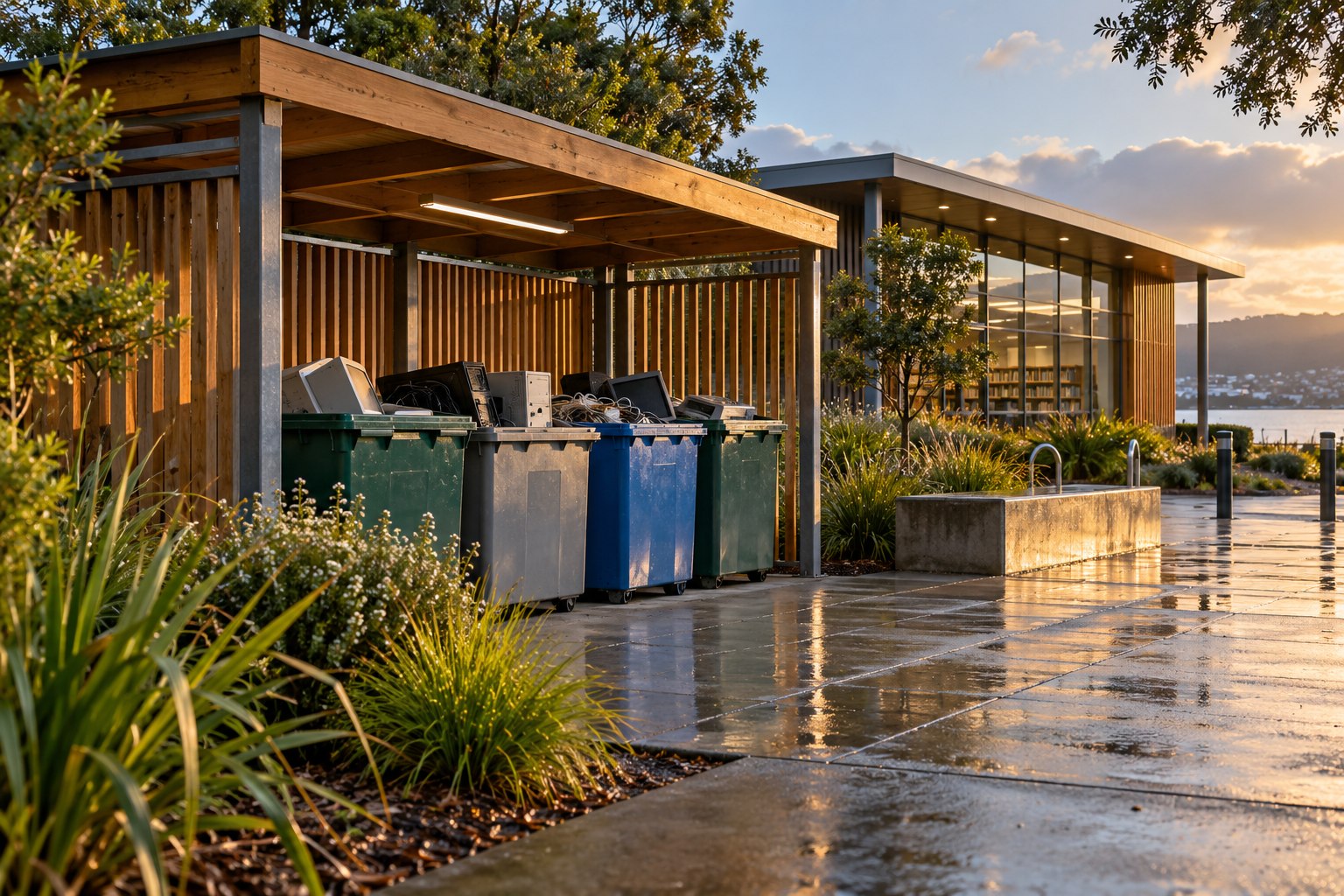
Collection providers should explain data handling and downstream treatment. For a development kit or staff workstation, verify whether storage is wiped, destroyed or returned. For a household console, remove user accounts and saved payment information before handover. A recycling route and a secure-erasure service may be delivered by different organisations.
Build a local programme around equipment flow
A game studio can maintain an equipment register that records purchase date, department, repair history, support status, reuse eligibility and final destination. This turns annual clean-outs into planned transfers. Shared equipment can move from a high-performance team to testing, training or community use before it is retired.
Esports clubs can standardise a pool of PCs and controllers so that spare parts and maintenance are easier to manage. Schools and community venues can accept equipment when they have support capacity and a clear software plan. Equipment donations should include power adapters, peripherals and honest condition notes to reduce the chance that a recipient receives an unusable system.
Local game events can set up a collection partnership for participant peripherals, but the event should confirm acceptance before advertising the drop-off. A box marked “electronics” may attract batteries, large appliances and damaged devices the recycler cannot safely handle. Signage should name the accepted product categories and condition limits.
Measure programme value without inflated claims
- Devices accepted by category, condition and mass.
- Items refurbished and transferred to a second user.
- Items materially recycled, with residual disposal reported separately.
- Energy projects completed, with metered results and operating conditions.
- Regional access, cost and service coverage for participating staff or communities.
Count the service outcome that the programme actually delivers. A collection point can report devices received; a refurbishment programme can report laptops repaired and rehomed; a recycler can report material recovery. These are related but different results. A business should not convert a donated laptop into “waste recycled” when it was actually refurbished for reuse.
Energy projects need a before-and-after period that controls for weather, occupancy, equipment use and operating hours. An office that moved to a smaller site may use less power without any efficiency improvement. An audit recommendation is not a verified saving until meters or invoices show the change.
Cross-sector services can support gaming-specific goals
Local collection, refurbishment and energy programmes can support a gaming organisation, but each covers only part of its footprint. An e-waste route does not measure console use, an energy audit does not cover offshore cooling, and donations do not replace secure handling of development equipment.
Keep a record of purchased devices, repairs, PC fleet power, server regions, venue energy, water and waste destinations. For each provider, note location and eligibility date: council services may exclude commercial volumes, screens or batteries, and a route available to one studio may not serve another.