
Trends in Lower-Impact Gaming
Sustainable gaming is moving from a narrow focus on console electricity toward a broader account of hardware life, digital infrastructure, water and supply-chain data. The direction is visible in product settings, data-centre reporting and electronics recovery services. These are operating shifts with different levels of maturity: a power mode can be measured today, while full value-chain disclosure remains difficult for many developers and platforms.
New Zealand’s development sector, electricity mix and changing planning and waste rules give these trends a local frame. Digital exports make supplier data particularly relevant: a domestic office figure cannot describe the power used to build and serve an overseas game.
Efficiency is moving into product defaults
Two product examples give this trend a boundary. Microsoft described Xbox Shutdown mode and carbon-aware update scheduling in 2023; Sony introduced Power Saver for supported PS5 games in 2025. The former changes off-state or update timing, while the latter can reduce active-game power by scaling performance. Neither announcement measures average fleet savings. Microsoft Xbox update; PlayStation Power Saver announcement.
The meaningful measure is adoption and total use, not the number of features announced. A maximum saving in a supported mode can be much larger than the average fleet effect. Product makers can track settings uptake, device-year kWh and performance quality. Developers can test energy alongside frame stability and graphics fidelity.
Software optimisation is part of the same move. Rendering only necessary objects, limiting redundant background tasks and matching output to display capacity can reduce compute per frame. If the saved capacity is used for more effects or longer play, total demand may not fall. A product team should report the intended performance target and the absolute energy outcome.
Data-centre transparency is becoming a buying requirement
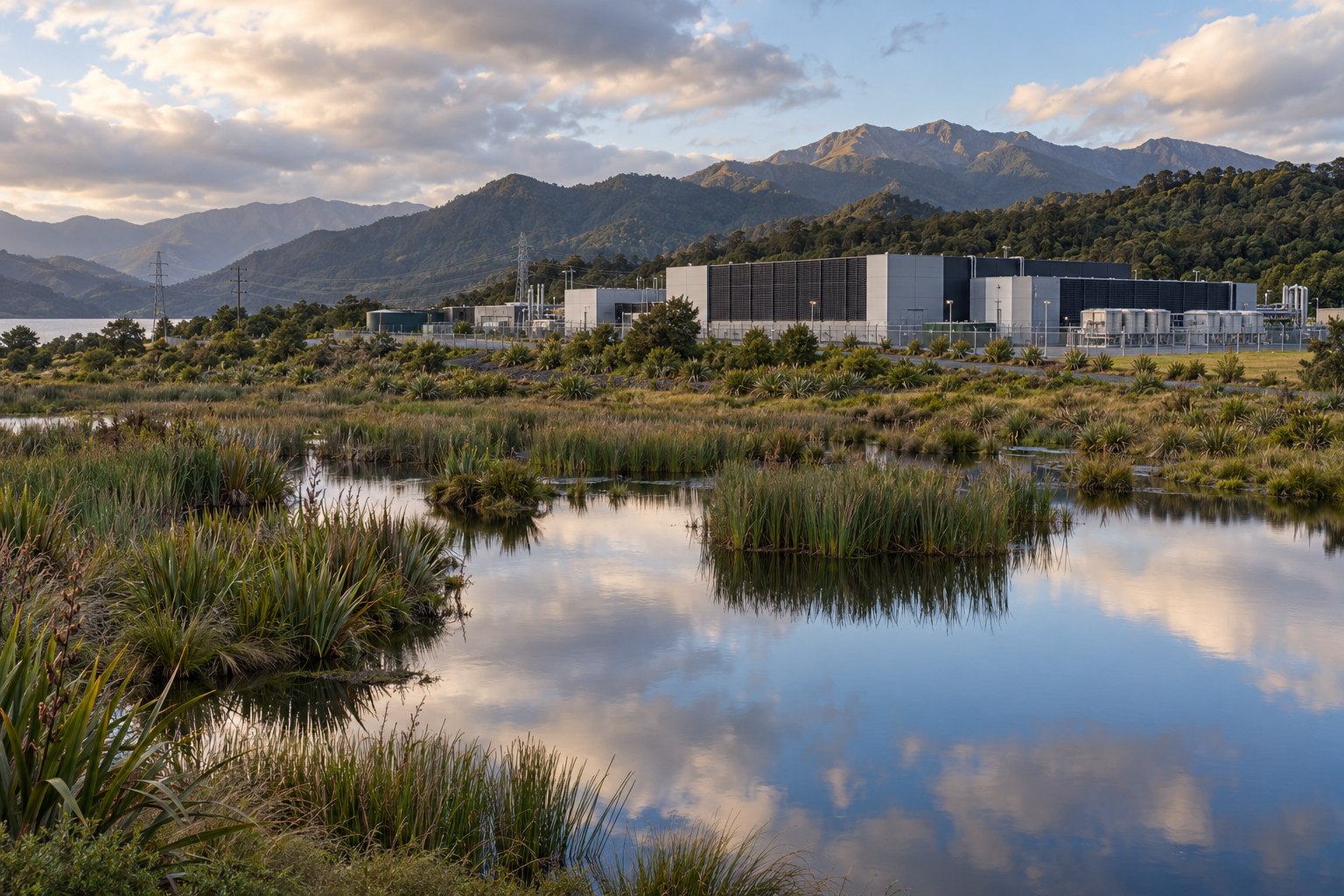
Gaming platforms increasingly rely on cloud saves, matchmaking, player analytics, game builds, streaming and live operations. Customers need to know where those workloads run and how the provider measures facility energy and water. A fleet-wide renewable target does not identify which region supports a game or what share of the target is matched to its workload.
On 21 September 2026, the European Commission proposed a common data-centre rating scheme and sought feedback on minimum performance standards. That proposal is evidence of policy pressure for site-level energy and water reporting, not proof that every cloud supplier already provides gaming workload data. A buyer should ask for the serving region, period, facility overhead and allocation method. European Commission data-centre policy.
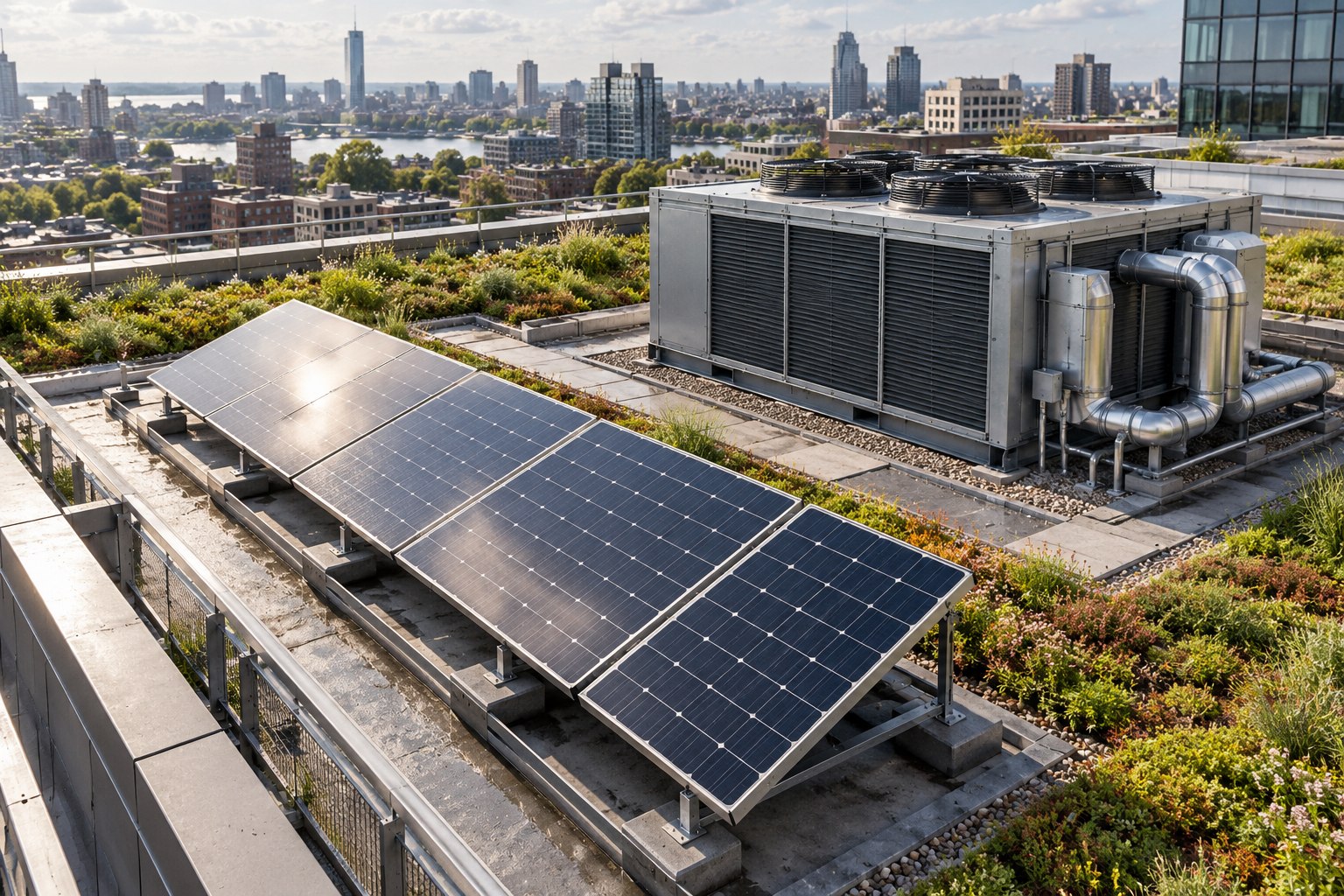
Supplier data may become a differentiator for studios and publishers that need to report product or value-chain emissions. A provider that can supply region, workload, energy, water and assurance data makes customer reporting more credible. A provider that cannot may still be used, but the uncertainty should remain visible in the company’s account.
Circular hardware is moving from collection to product design
Collection coverage depends on accepted items, regional access, safe handling and downstream processors; a product's theoretical recyclability does not guarantee a local route. A more useful recovery account separates repair, refurbishment, material recovery and residual disposal instead of reporting collection weight alone.
Replaceable batteries, parts, manuals and longer software support can extend service life before collection is needed. Refurbished equipment can help schools or community developers when it meets a known need, remains secure and has compatible accessories and support.
Carbon claims are moving toward more specific boundaries
Broad net-zero language is giving way to product, service and supplier information. Buyers want to know whether a claim covers offices, manufacturing, player use, cloud services, packaging and end-of-life. A company can reduce operational electricity and still have large upstream emissions from electronics or downstream emissions from product use.
Corporate reporting frameworks increasingly require attention to value-chain sources, risks and assumptions for entities that fall within their scope. The reporting obligation depends on jurisdiction and company status; voluntary reports use similar concepts but are not automatically mandatory. Gaming products create particular measurement challenges because player use spans many countries and devices.
Offsets and renewable certificates remain part of some climate strategies, but readers need them separated from physical reductions. A clearer report shows gross emissions, operational changes, renewable procurement, credits and removals in distinct lines. The trend rewards transparency over one headline percentage.
Water is becoming a digital infrastructure issue
Data-centre growth brings cooling water into technology procurement. Cooling design can lower electricity while increasing water consumption, or conserve water while increasing cooling energy. Local water availability and seasonality make the choice location-specific. Global averages do not show whether a facility competes with a stressed catchment.
New Zealand’s freshwater conditions vary among regions and are affected by land use, abstraction and climate. A digital facility’s water account should identify its source and local setting, not rely only on a global facility average. Cloud customers may need provider data at a region or facility level to understand the service they are purchasing.
Water reporting will matter most where capacity expands, cooling demand is high or source pressure is seasonal. A facility that uses reclaimed water still needs to disclose treatment, energy and watershed context. A “water positive” claim needs a basin, time period and replenishment method.
Climate resilience is joining carbon planning
Gaming depends on power, networks, buildings and suppliers that heat, flood, drought or storms can disrupt. Backup regions, generators and batteries improve continuity but also use materials and energy. Identify which services must stay online, where one supplier is a single point of failure and how long an outage is tolerable.
A studio may protect source code and build systems; a platform may prioritise accounts and game servers; an event organiser needs power, cooling and connectivity. Include hardware supply and data dependencies: a disruption can trigger emergency freight, new routing or premature equipment replacement.
Default power efficiency
- Early signal
- New settings or performance modes
- Measure that confirms progress
- Adoption, device kWh and quality guardrails
Cloud transparency
- Early signal
- Regional energy or water dashboards
- Measure that confirms progress
- Workload-level supplier data and consistent allocation
Circular hardware
- Early signal
- Repair, take-back and accepted-item expansion
- Measure that confirms progress
- Useful-life extension and downstream outcomes
Precise carbon claims
- Early signal
- Product or value-chain reporting
- Measure that confirms progress
- Gross emissions, scope coverage and verified inputs
Climate resilience
- Early signal
- Site and supplier risk planning
- Measure that confirms progress
- Tested continuity with resource impacts disclosed
New Zealand’s digital export model creates a distinct question
Game development can generate international revenue without shipping a physical game box for every player. Hardware still enters through offices, studios and households, and the digital service may run on offshore networks and data centres. A local economic contribution should not be treated as a local footprint boundary.
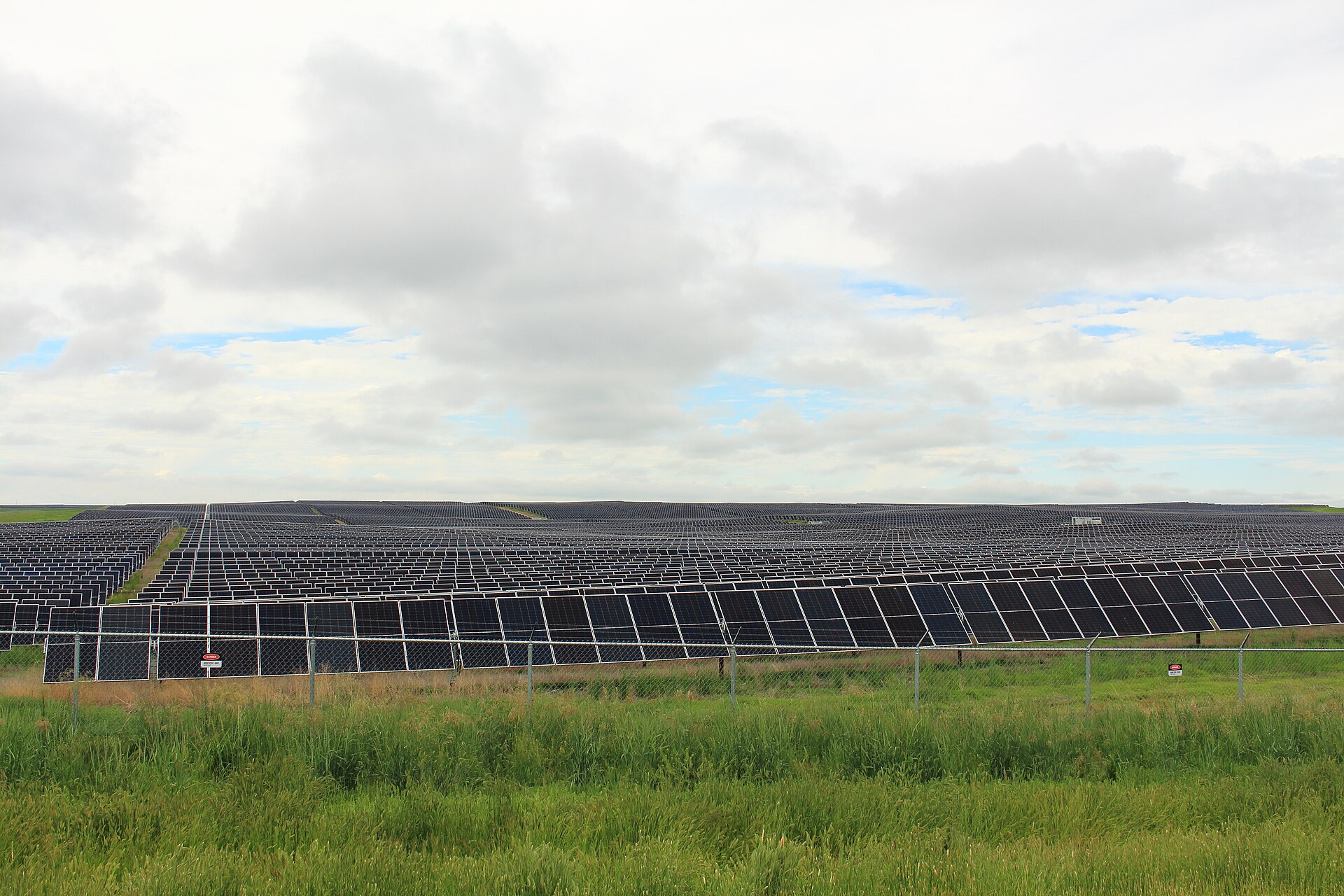
New Zealand developers can position environmental data as part of supplier and publisher relationships. A studio that records workstation life, cloud build regions, electricity and hardware recovery can answer more detailed procurement requests. Larger exporters may need to distinguish their own footprint from that of a global platform or player device.
Local renewable electricity can support studio offices and venues, while overseas player use needs market-specific factors. The future reporting trend is likely to reward companies that can map activity by location and partner rather than apply one national average to a global audience.
Green casino operations are adopting building-system measures
Physical gaming venues can use sub-metering, HVAC tuning, LED controls, water monitoring and food-waste separation. Resorts are increasingly measured as mixed-use properties: hotel rooms, restaurants, gaming floors, events and retail each have distinct loads. A casino-level carbon total needs a documented method for shared plant and common areas.
Online gambling services have a different profile. Their energy use sits across cloud infrastructure, networks, player devices and corporate operations. The online and land-based models cannot be ranked without including customer travel, accommodation, building operations, server regions and digital delivery under equivalent service boundaries.
New Zealand’s online casino licensing transition is a market change rather than an environmental standard. Environmental reporting can develop alongside licensing, yet a gambling licence does not itself demonstrate lower energy, water or emissions. Those measures require separate operational evidence.
Trends need guardrails to avoid greenwashing
- State whether a figure is measured, modelled or supplier-reported.
- Separate total resource use from per-user, per-device or per-venue intensity.
- Keep renewable instruments, offsets and direct reductions distinct.
- Report service quality, reliability, repairability and security with efficiency gains.
- Use location and season for water and electricity claims.
A technology trend becomes durable when its results persist after deployment, survive a change in workload and retain the intended user experience. A recycling programme becomes credible when it reports downstream treatment. A climate target becomes useful when it includes interim data and a clear boundary.
A vendor’s headquarters may have little to do with where a game is rendered or stored. Procurement records need the serving region, period and workload; for New Zealand companies, that distinction matters when services run offshore.