
New Zealand's Gaming Industry
New Zealand’s gaming economy includes game development, publishing, esports, gambling services, hardware retail, events and the digital infrastructure that supports play. Those activities do not share one business model or regulatory status. The country’s fast-growing game-development studios are export-oriented creative businesses; land-based casinos and online wagering operate under separate rules and have different environmental profiles.
The distinction matters for both industry analysis and sustainability. A game studio’s main operational loads may be workstations, cloud builds and staff travel. A casino resort adds buildings, hospitality, water and visitor transport. An online casino depends on digital platforms and player devices. Combining them into one “gaming industry” number can hide who creates value and where energy, materials and waste occur.
Game development has become a significant export activity
In its 1 October 2026 release, the New Zealand Game Developers Association reported NZD 1.002 billion in industry revenue for the 2025/26 financial year, with 95% from international consumer sales. This is the association’s survey of game development, not a total for casinos, retailers or all gaming activity. NZGDA 2026 survey release.
NZ On Air’s 2026 Game Development Sector Rebate update describes a different population: recipient studios. Those 43 studios reported combined revenue of NZD 829 million for 2025/26, with 98.3% earned internationally. The two totals should not be read as contradictory. One refers to an industry-wide estimate, while the other covers businesses receiving a specific support programme. NZ On Air rebate-recipient results.
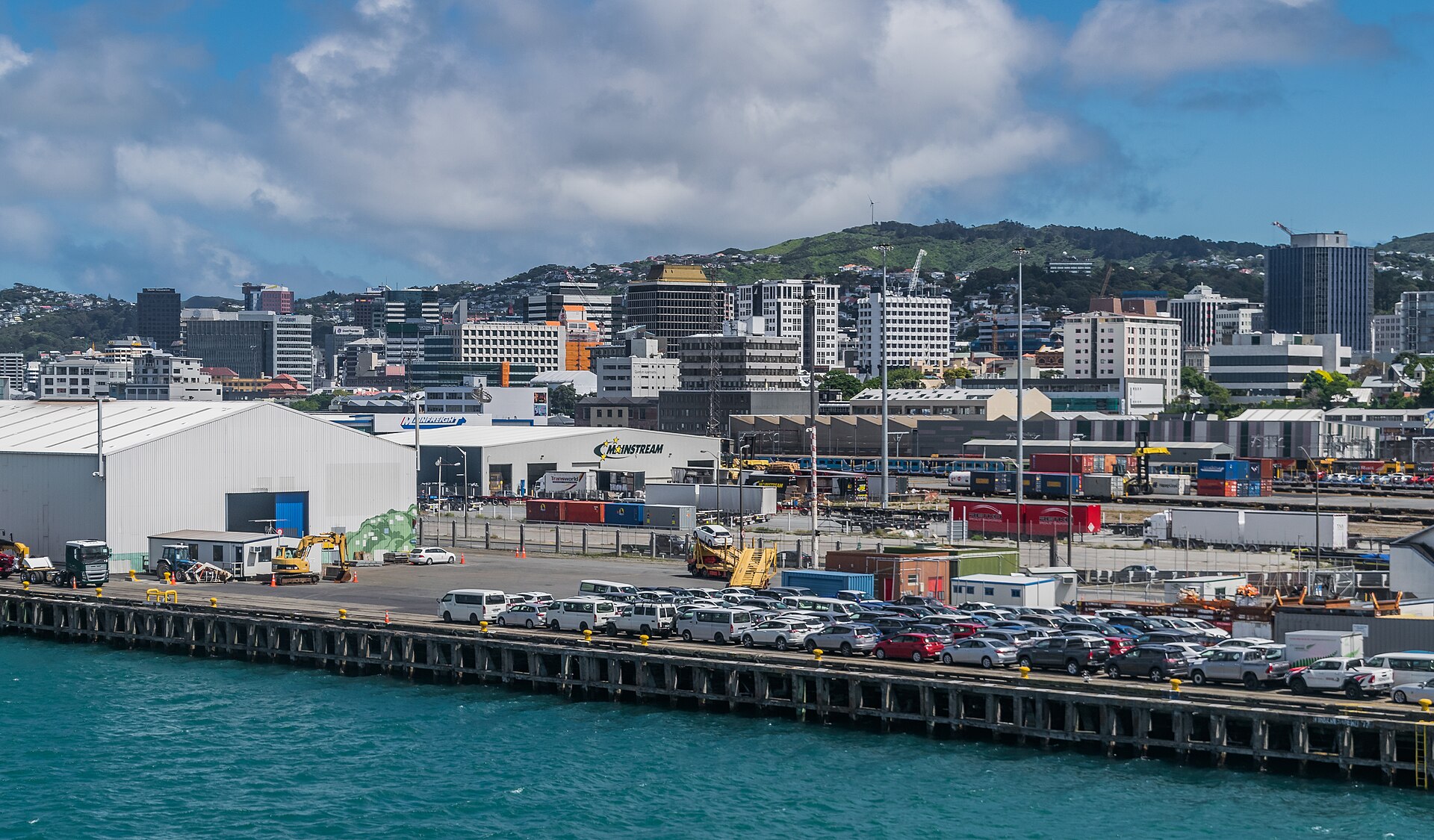
Export income brings New Zealand-made games to global players, yet the audience and infrastructure can sit overseas. Development may take place in Wellington, Auckland, Christchurch or smaller centres while cloud services, distribution, payment systems and player-side electricity operate in other countries. The value chain is digital, but its resource use is geographically dispersed.
Studios are small technology organisations as well as creative teams
Programming, art, design, production, testing, audio, community and publishing use different equipment and services. Office and home-working electricity, travel, workstations, renders, cloud builds and player-facing operations can all matter, with a different mix for an indie team, mobile publisher or large 3D studio.
Compute demand changes across a production cycle, and cloud builds move energy to a provider. Track workstation count, build jobs and service workloads directly: revenue or headcount can grow at a different rate and cannot serve as an energy proxy.
The local ecosystem has distinct support channels
The Game Development Sector Rebate, administered by NZ On Air with MBIE policy oversight, has its own eligible-spend and application rules. CODE supports studio capability and community programmes. These are economic and capability channels, not environmental certifications.
Events and training can connect studios with publishers and staff, while creating travel, venue, catering and digital-production loads that should be reported separately. Digital exports cross borders electronically but still rely on devices, networks, buildings and electricity. Economic value and life-cycle impact require different measures.
Esports and community play use a different infrastructure mix
Esports includes players, organisers, venues, broadcasts, equipment providers and online communities. A local tournament may use a school hall with loaned PCs, a specialist arena or an online competition. Each model has a different split between equipment, venue energy, network connectivity and participant travel.
Equipment turnover can be high where teams seek current performance, low latency and compatible peripherals. A tournament organiser can extend useful life through standardised devices, maintenance, shared inventories and post-event reuse. The service life of a PC also depends on game support, security updates, parts and operating conditions.
Online events reach participants across regions but still depend on players’ home setups and connectivity. Broadcast production adds cameras, encoders and delivery infrastructure. A venue-based event may avoid some production duplication if it uses shared equipment, while it creates travel and building loads. The most useful comparison holds event size, audience and production quality in view.
Online casino activity is a separate market
Online services may be hosted offshore while serving people in New Zealand. The location of a customer does not establish where electricity is consumed. A platform’s sustainability account needs the regions that host its game logic, storage, video and support services.
Export distribution adds another geography. A locally developed game can be built in Aotearoa, stored in a global cloud region and played on devices around the world. Its New Zealand production footprint and global service footprint are related but distinct accounts.
Game development
- Typical operating footprint
- Workstations, offices, cloud builds and supplier hardware
- Useful local distinction
- Export earnings can be earned locally while play occurs offshore.
Esports
- Typical operating footprint
- PCs, venue systems, broadcasts and participant travel
- Useful local distinction
- Event format changes the balance of travel and infrastructure.
Land-based casino
- Typical operating footprint
- Buildings, gaming equipment, hospitality and visitor movement
- Useful local distinction
- Shared hotel and venue services need an allocation method.
Online casino
- Typical operating footprint
- Platform hosting, networks, devices and corporate services
- Useful local distinction
- Service regions may sit outside New Zealand.
Environmental visibility has not kept pace with market growth
Public sector revenue figures describe economic scale; they do not show electricity per game, hardware purchases, cloud compute, water use or e-waste. A studio may track office energy for cost management and still lack a consolidated account of remote workstations or build services. A publisher can know player counts without knowing where local rendering occurs.
Supplier information can close part of the gap. Cloud contracts can request service-region data, energy and water metrics, cooling approach and annual assurance. Hardware procurement can record product life, repairability, software support and take-back routes. These data make it possible to connect a New Zealand studio’s export model to its upstream and downstream environmental effects.
New Zealand’s electricity supply can reduce operational emissions for facilities based locally, though it cannot be applied to offshore hosting or electronics manufacturing. The sector’s global reach makes location-specific reporting more useful than a single country-average factor. A local studio should identify which loads sit in its own offices and which sit with overseas suppliers.
Industry measures that help distinguish activity
- Revenue, exports and employment should retain their source population and reporting period.
- Studio energy can be tracked by office, workstation, render hour and cloud region.
- Esports operations can record venue energy, equipment fleet age and participant travel.
- Casino activity should be divided into physical venues, online services and shared corporate functions.
- Environmental intensity measures need an absolute total and a clear denominator.
Consistent definitions improve comparison between years. “Games industry revenue” may include the full game development sector or only businesses that qualify for a rebate. “Energy per player” may count only server workloads or include device and network use. The data label should travel with the figure whenever it is quoted outside the original release.
Workforce figures need a similar distinction. Full-time-equivalent roles, headcount, contractors and project workers are not the same measure. A sector can report fewer employees while studios outsource work or shift project schedules. The environmental consequences depend on where the outsourced work and equipment operate.
Where New Zealand’s gaming identity is formed
The 2026 NZGDA release gives a concrete export measure, while individual studio accounts show where production happens. A title built in New Zealand can reach overseas players through a global store and overseas hosting. To describe the sector’s environmental footprint, record development sites, outsourced build or live-service regions and the markets where player devices operate; a domestic revenue label alone does not locate those loads.
Small teams can begin with a short inventory of electricity, devices, travel, cloud workloads and equipment retirement. A larger studio can extend that account into supplier data, product-use assumptions and value-chain emissions. The method should grow with the business, retaining the same reporting boundary as the organisation expands.
A cloud invoice may combine source-control storage, build jobs, QA environments and live-service hosting. Without a service-region field and workload label, the studio’s bill does not show which part of game production created the demand.