The Future of Sustainable Gaming in NZ
New Zealand’s gaming sector can grow as a digital export industry while making its resource use easier to see. The next stage depends on where computing runs, how long equipment stays in service, which electricity supply it uses and whether organisations can obtain data from their suppliers. Digital products may travel globally at low marginal delivery cost, yet production devices and the infrastructure behind play remain physical.
Future outcomes are not predetermined by the country’s renewable electricity profile or by the pace of studio growth. A larger export sector could use more cloud compute and hardware, or it could improve productivity through efficient tools and longer equipment life. The difference will depend on business choices, grid development, product design, procurement and reporting.
Three pathways reveal different trade-offs
| Pathway | What happens | Signal to monitor |
|---|---|---|
| Growth without visibility | Studios, players and cloud services expand while footprint data remain partial | Rising workloads, device turnover and supplier estimates |
| Efficient digital production | Compute and buildings improve per unit while total service volume is tracked | kWh per build, player-hour and service region alongside absolute use |
| Circular local ecosystem | Repair, reuse and regional recovery become routine parts of equipment planning | Device life, refurbishment flows and material recovery by category |
The pathways can overlap. A studio might cut energy per build and repair its workstations while its cloud demand rises; a venue might retrofit cooling but discard more materials during refurbishment. Track total energy and device turnover beside intensity so a gain in one area does not hide growth in another. The table describes scenarios to monitor, not forecasts.
Growth creates an opportunity for better supplier data
New Zealand studios control development work but rely on stores, payments, cloud hosting and live-service providers for international delivery. Ask first where builds, player data and live services run; larger publishers can seek regional energy, utilisation, cooling-water and assurance data. Record a supplier's data gap and a review date rather than treating an estimate as a meter reading.
Scale the record to the organisation: a small team can track workstation energy and cloud invoices, then request region data at renewal; a platform can use a common disclosure template across vendors. Shared definitions make later comparisons and verification possible.
New Zealand power conditions call for flexible operations
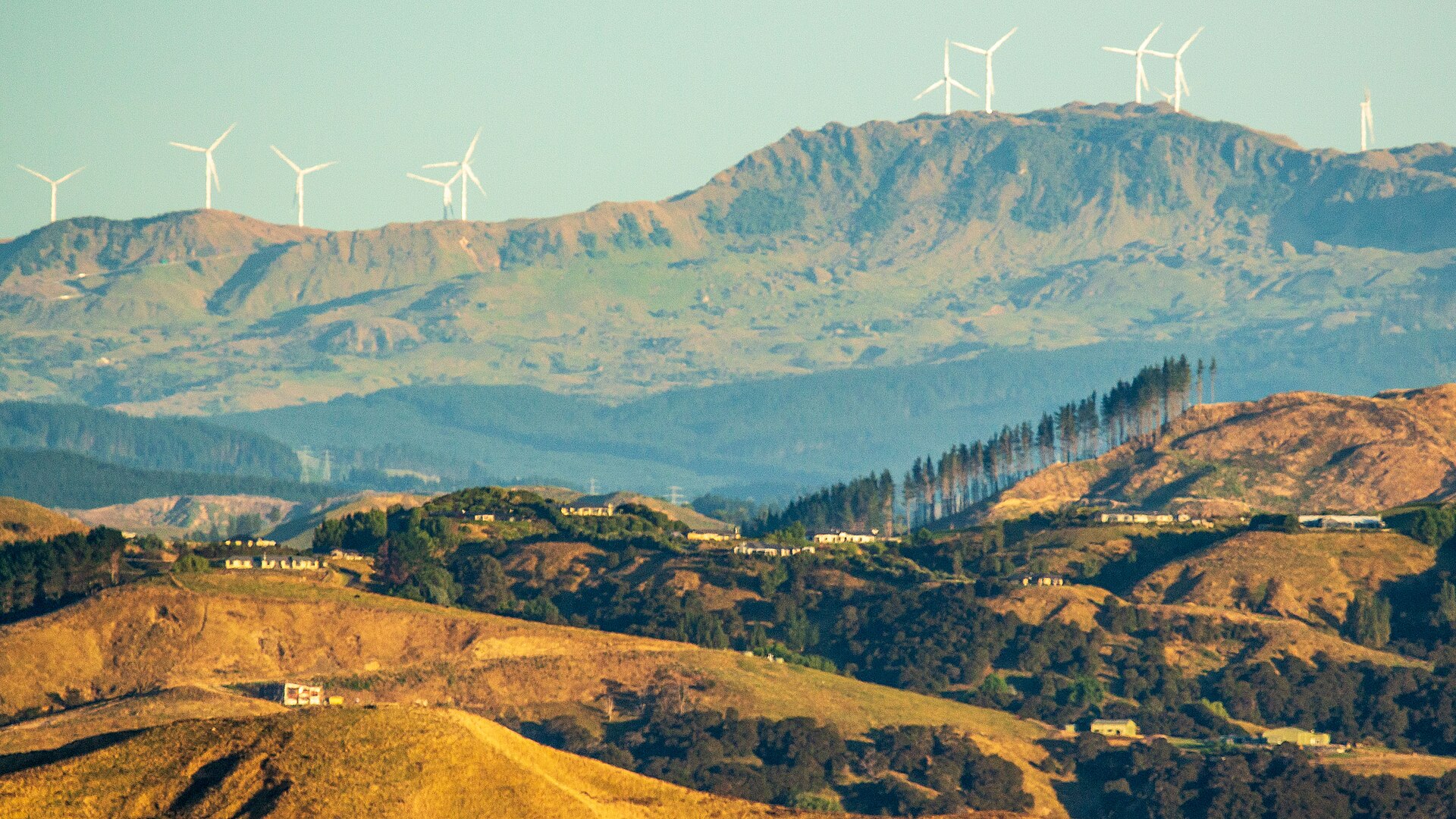
New Zealand facilities can benefit from a grid with substantial renewable generation, but hydro conditions, weather and seasonal demand still change the supply mix. Gaming also shares the grid with households, transport and industry. The useful question is which tasks can move in time without damaging the service.
- Flexible work: builds, backups, updates, test environments and some rendering can have an earliest run time, deadline and expected kWh.
- Continuous work: payments, security checks, live play and streaming need reliable capacity; improve their efficiency instead of treating them as batch jobs.
- Guardrail: record the scheduling signal and acceptable delay, plus recovery and security requirements, before shifting a workload.
Hardware life will shape the material footprint
Replacement depends on performance, reliability and software support as well as physical wear. Repairable controllers, batteries, displays and graphics components can keep a complete system in use longer. Refurbishment can serve schools, community groups or independent developers when the device has compatible parts, secure erasure and a defined support period. Unsupported connected equipment may be unsuitable for a new owner even if it still works offline.
Collection is the final route for equipment that cannot be reused. Eligibility remains product-specific: TechCollect NZ currently lists consoles and controllers, while televisions and loose batteries are outside its accepted categories. Retailers, councils and refurbishers need a shared record of what was repaired, passed on or recovered, rather than a single total for items collected.
Water and climate resilience will influence digital infrastructure
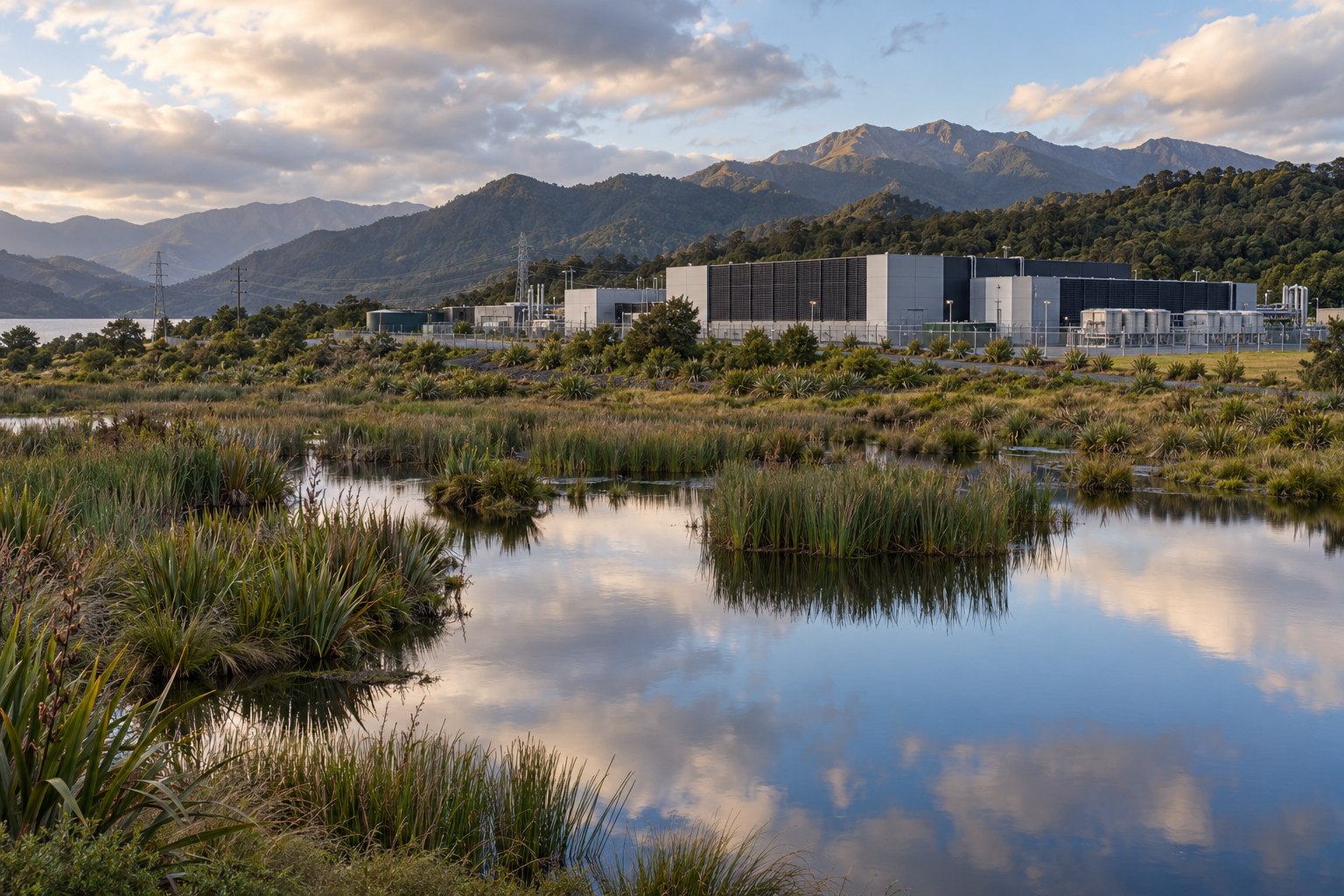
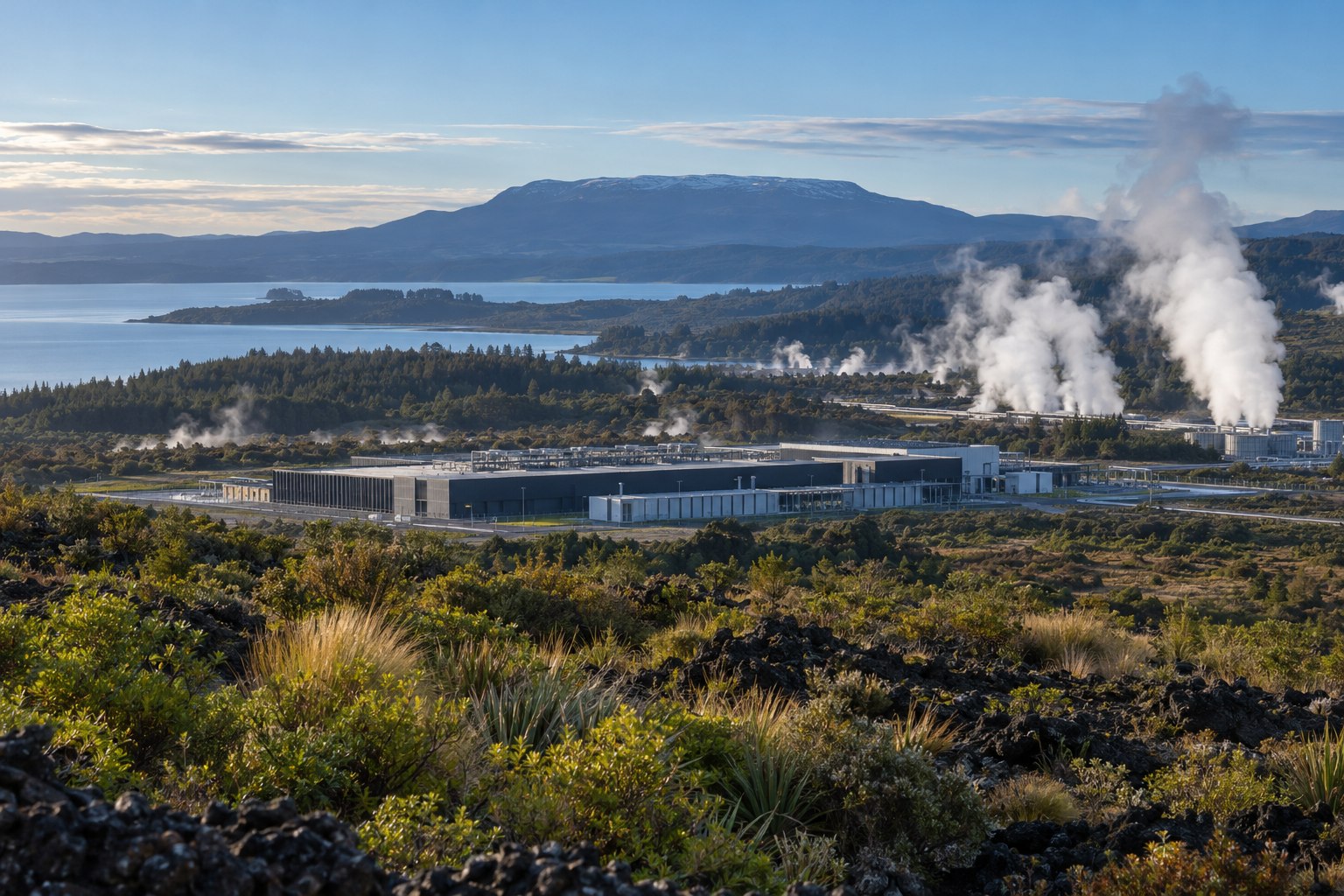
Data-centre location links cooling, grid access, water source, climate hazards and latency. A global water average can conceal pressure in a dry catchment; heat can raise cooling demand, while drought can limit supply. Compare options using the same site and reporting period.
| Decision | Evidence needed |
|---|---|
| Cooling design | Site electricity, water source and withdrawal, reuse and heat recovery |
| Location | Catchment conditions, grid access, hazards and network latency |
| Backup | Critical services, outage tolerance, supplier dependencies and backup energy |
Resilience also covers staff, secure builds, data, power and communications. Distributed teams still depend on cloud regions and network routes, so a continuity plan should name single points of failure and the resource cost of backup operation.
Measurement can become a shared industry capability
A shared record can use common categories without forcing a studio, manufacturer and venue into one score. Studios can track workstation energy, build hours, cloud regions, travel and device repair; events can add venue energy, participant transport and equipment reuse; platforms can report infrastructure by region and workload.
Label each value as a direct meter reading, supplier figure or estimate. That distinction shows buyers where confidence is strongest and where better data are needed. A consistent first year creates a baseline; later years can test whether efficiency gains are keeping pace with growth.
Economic success and environmental performance need separate evidence
Revenue, exports and employment are economic outcomes; energy, emissions and material use describe resources. Pair intensity measures with absolute totals rather than treating digital growth as proof of low impact or rising electricity as proof of falling productivity.
Choose a denominator that matches the service: energy per build, device years, cloud workload by region or venue kWh per visitor. Set interim checks and name what a target covers. Office energy and outsourced hosting can be tracked separately until supplier data make a wider account possible.
Community and cultural dimensions belong in the design
Access to devices, connectivity and local venues matters alongside energy. Securely refurbished equipment can support schools and community groups, while accessible design may reduce the need for specialised hardware. Freshwater and land decisions should also account for the perspectives of local Māori communities and knowledge holders, which a carbon metric cannot express.
Regional and hybrid events can widen participation, but their footprint depends on travel, venue operations, home equipment and network delivery. Compare those parts for the specific event. When a venue meter also covers heating or adjacent tenants, use a defined time window and allocation rule; keep participant travel and equipment freight as separate records.